Private Label Period Underwear 2026 Market Trends & Manufacturer Guide
-
 author
- 24th September 2026

Period underwear has moved well beyond a single reusable alternative in the menstrual care aisle. In 2026, the category sits at the intersection of intimate apparel, reusable menstrual products, e-commerce, DTC retail and private label development. For B2B buyers, that opens more product opportunities—but it also makes assortment planning more important.
The real question is no longer simply whether period underwear for women has demand. Buyers need to decide which search signals are worth turning into SKUs, which products fit their sales channel, and how much differentiation a first collection actually needs.
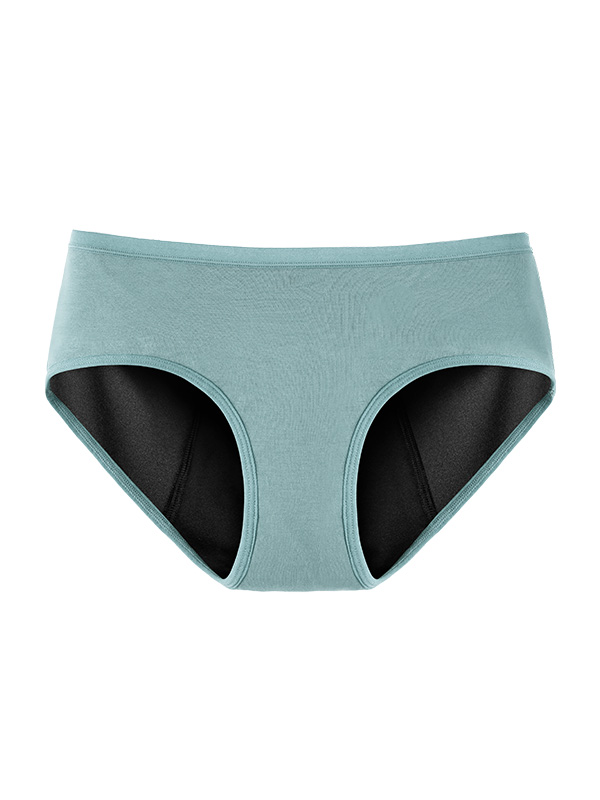
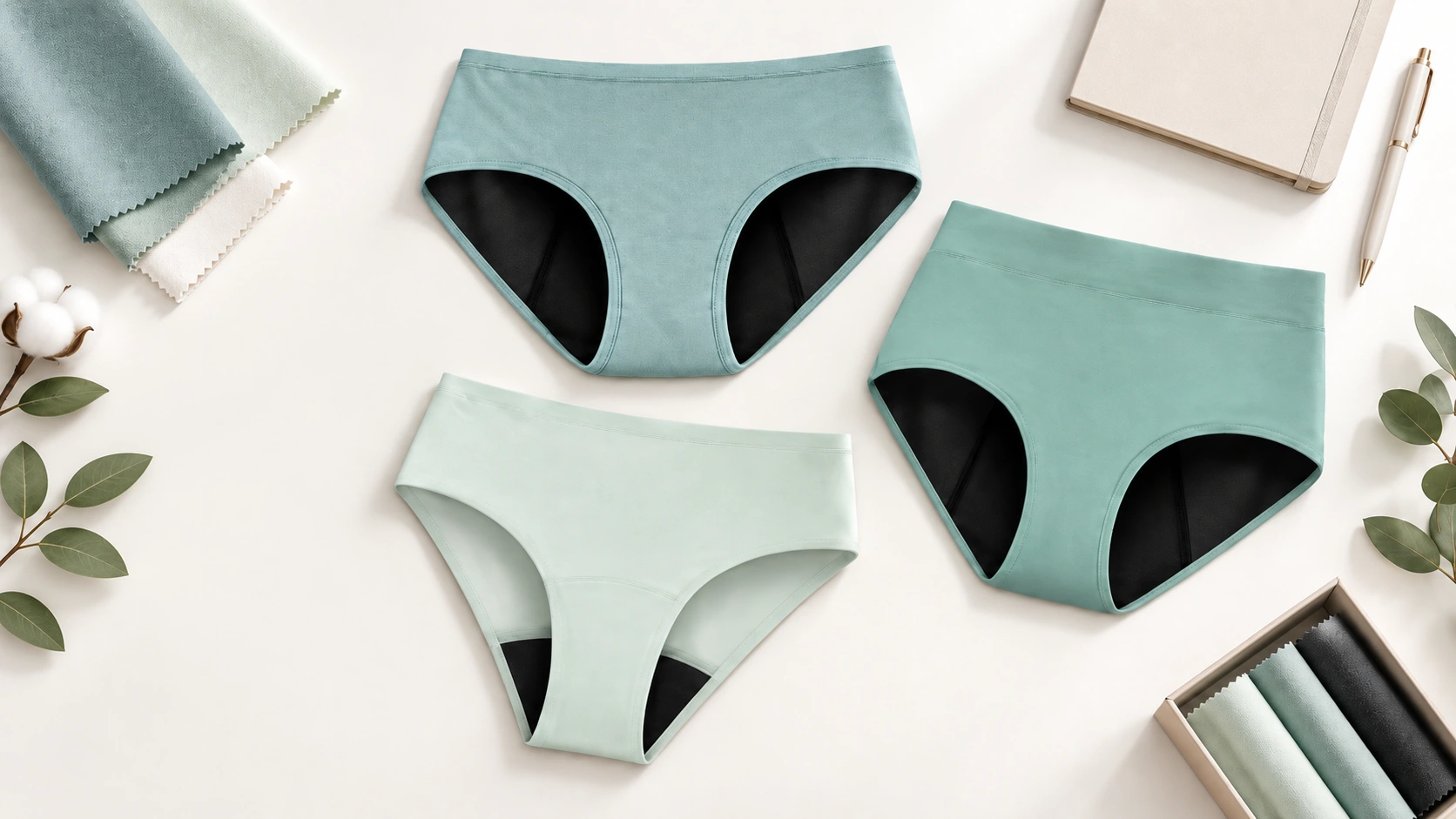
Tiichoo’s women’s period underwear range gives buyers several starting points for comparing construction, fabric direction and product positioning before moving into a private label period underwear project.
Why Period Underwear Matters to Private Label Buyers in 2026
Period underwear searches cover increasingly specific product needs, from seamless construction and reusable options to different absorbency levels and wearing situations. For B2B buyers, these search patterns can help identify where a separate SKU may have a clear commercial role.
For private label buyers, the opportunity is not to build the largest range. It is to translate demand into a product line that is easy to explain, stock and reorder.
Search Intent Signals by Product Use Case
A broad query such as period underwear for women reflects category interest. A search for seamless period underwear points to a more defined requirement, often related to a smoother profile under fitted clothing. Queries such as heavy flow period underwear, washable period underwear and period panties indicate different product expectations.
That distinction is useful during product planning. If two styles answer almost the same search intent, a new brand may not need both at launch.
For Amazon and DTC teams, Google SERPs, marketplace reviews, TikTok discussions and relevant Reddit threads can provide useful secondary signals when preparing a product brief. Repeated comments about sizing, wash care, visibility under clothing or absorbency wording are worth checking during sample evaluation. These signals can support product decisions, but they should not replace physical sample review.
Reusable Purchase Cycles Shape Assortment Planning
Reusable period underwear creates a different assortment logic from single-use products. Brands can structure a collection around different clothing preferences, flow levels and daily-use scenarios, creating room for complementary SKUs.
The important word is complementary. Adding another color or slightly different cut does not automatically create another commercial need.
That is where search behavior becomes useful: it helps buyers separate a real product requirement from a minor style variation.
What Consumer Searches Can Tell Buyers About Product Opportunities
Search data becomes commercially useful when a buying team connects keywords to product roles. A period underwear wholesale buyer does not need a long list of trending phrases. They need to know whether a search direction can support a clear SKU, a different selling message or another target customer.
Mapping High-Intent Search Queries to SKU Roles
| Search Direction | Likely Product Need | B2B Role |
| period underwear for women | Broad everyday category | Core line |
| seamless period underwear | Low-profile fit | Differentiated SKU |
| reusable period underwear | Washable product format | Core category |
| heavy flow period underwear | Higher absorbency interest | Separate absorbency position |
| period panties | Broad consumer terminology | E-commerce content |
| private label period underwear | Brand sourcing intent | Supplier/RFQ stage |
A search term should not become a product claim by itself. Buyers still need to validate whether the construction, fit and performance of the selected SKU match the intended positioning.
Seamless Construction as a Differentiated SKU Strategy
A seamless product gives buyers a clearer reason for adding another style.
Tiichoo’s Seamless Period Underwear for Women-61136 uses an 80% polyamide and 20% elastane body fabric and has tested absorbency up to 30 ml. Its seamless profile creates a distinct direction for brands targeting customers who care about a smoother look under jeans, leggings or fitted clothing.
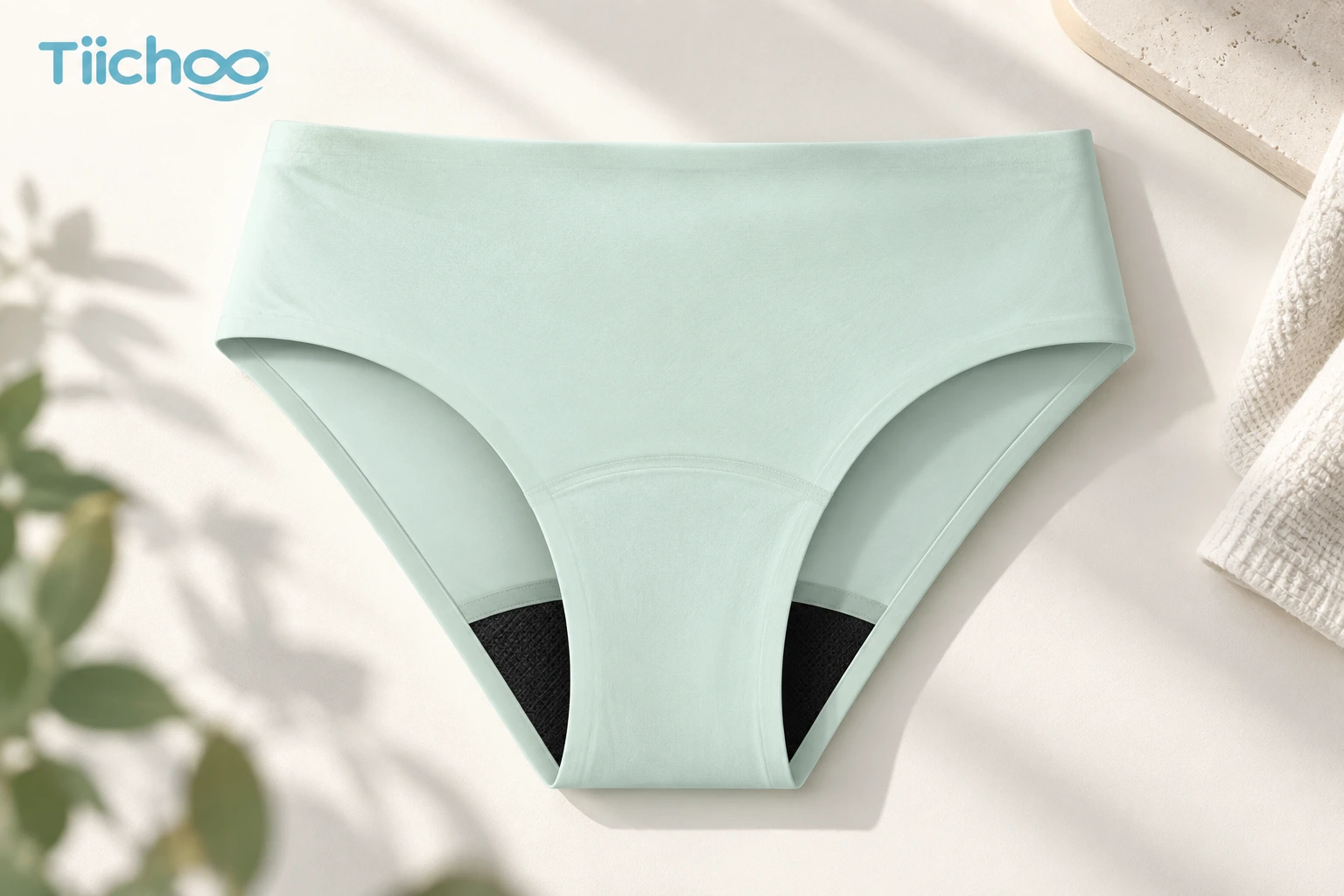
The important sourcing point is not the number alone. The product has a specific role, which makes assortment planning and consumer-facing copy easier.
Building a Role-Based Private Label Period Underwear Assortment
Once buyers identify viable product directions, the next step is SKU architecture. This is where first collections can become unnecessarily complicated. One extra style quickly multiplies across sizes and colors, adding more inventory positions before the brand has enough sales data to know what customers prefer.
A focused private label period underwear range usually gives buyers cleaner feedback and makes future line expansion easier to justify.
Start With Commercially Distinct Products
A practical starter range may begin with an everyday core product plus one differentiated style, such as seamless construction or another fabric direction. A third SKU should solve another identifiable need rather than simply make the catalog look larger.
For example, Period Underwear for Women Viscose-31001 uses a 95% viscose and 5% spandex body fabric and has tested absorbency up to 50 ml. That gives buyers a materially different option to compare with a seamless polyamide-based style during sampling.
The decision can then be based on handfeel, fit, absorbency positioning, price tier and intended channel rather than small cosmetic differences.
Align SKU Architecture With Sales Channels
An Amazon launch, DTC store and physical retailer may sell similar products but present them differently.
Online sellers have room for comparison charts, videos, reviews and detailed product pages. Physical retail needs the SKU purpose, sizing and key product information to be clear much faster. Distributors also need to think about reorder simplicity across customers.
For a first period underwear wholesale order, sales channel, target customer and product role should be settled before deeper customization begins.
From Market Demand to Sample Approval
Keywords tell a buyer where demand may exist; samples decide whether the product is ready for that market. Period underwear is functional intimate apparel, so fit, absorbent-zone placement, fabric feel and garment construction have to work together.
This stage connects market research with real sourcing. It also gives buyers a chance to check the exact selling points they plan to use on Amazon listings, DTC pages, retail packaging or marketplace content.
Validate Market-Facing Claims at Sample Stage
If the product will be positioned as seamless, review its profile under fitted garments. If absorbency is a key selling point, confirm the test reference for that specific SKU. If washability is central to the offer, review care instructions and garment condition after washing.
A useful sample review normally covers:
- waistband and leg-opening fit;
- gusset position and coverage;
- fabric handfeel;
- appearance under clothing;
- care instructions;
- labels and size marking.
Product-specific absorbency figures should remain product-specific. Fit, flow, movement and garment condition can affect the wearing experience, so fixed wear-time promises are not appropriate for this type of functional apparel.
Planning a period underwear sample review? Request Samples & Pricing.
Choosing a Period Underwear Manufacturer and Sourcing Route
After the collection is defined, supplier discussions become far more productive. Instead of asking whether a factory can make menstrual underwear, buyers can discuss an exact style, branding level, target quantity, packaging requirement and sample route.
For brands searching for a period underwear manufacturer, period underwear supplier or custom period underwear partner, this stage should connect product strategy with practical production capability.
Match the Development Route to the Brand Stage
Not every project requires development from zero. A new seller may start with an existing style and brand-level customization, while an established business may have a clearer case for deeper product changes.
Tiichoo’s OEM and private label service supports different levels of branding and product-development discussion. Buyers considering OEM period underwear should bring a defined target market, product direction, expected quantity and customization scope to the conversation.
That makes sample selection and quotation more precise and avoids treating every private label project as the same type of order.
Turning the First Launch Into a Repeatable Product Line
The first launch should generate more than sales. It should give the buying team information about size movement, SKU preference, customer questions and repeat-order potential. Those signals are often more valuable than adding another product because a competitor happens to carry one.
The next range decision can then be based on actual commercial feedback rather than assumptions.
Use Sales Feedback to Guide Line Expansion
If a seamless style performs well but customers ask for another fabric feel, that may support a second material direction. If one absorbency position receives stronger demand, the buyer can assess whether a separate tier makes commercial sense.
Before the next RFQ, buyers can use Tiichoo’s Wholesale & OEM Buyer FAQ to check current wholesale, sample, customization and order-route requirements.
A useful RFQ should include the product or category, target market, sales channel, quantity and required customization level.
Conclusion
The 2026 period underwear opportunity is not about adding more period panties to a catalog. For B2B buyers, the stronger approach is to connect period underwear market trends with distinct product roles, then validate those ideas through samples before expanding the assortment.
Broad keywords such as period underwear, period underwear for women and reusable period underwear support category discovery. More commercial searches—including private label period underwear, period underwear wholesale, custom period underwear, OEM period underwear and period underwear manufacturer—signal buyers moving closer to sourcing decisions.
A strong range gives every SKU a clear reason to exist. A strong RFQ gives the supplier enough information to turn that range into a workable project.
Have a target SKU, quantity or sales channel in mind? Send Your RFQ.
FAQ
Q1: What is private label period underwear?
A: Private label period underwear is reusable menstrual underwear sold under the buyer’s own brand. Projects may use existing products with branding or involve deeper customization depending on the product brief and order route.
Q2: What should buyers look for in a period underwear manufacturer?
A: Buyers should review product fit, absorbency information, material options, sample approval, branding support, packaging requirements and the supplier’s ability to translate the approved sample into bulk production.
Q3: Which period underwear products should a new private label brand launch first?
A: Start with a small number of clearly differentiated products. An everyday core style can be paired with a seamless option, another fabric direction or a separate absorbency position based on the target customer and sales channel.
Q4: How should buyers evaluate absorbency when sourcing period underwear wholesale?
A: Review the absorbency information for the exact SKU and match it with the intended product role. Buyers should avoid converting a test figure into a guaranteed number of wear hours.
Q5: What information should buyers include in an OEM period underwear RFQ?
A: Include the preferred product or category, target market, sales channel, quantity, size range, branding or packaging needs, destination country and required level of customization.