Girls’ Incontinence Underwear Wholesale: Product and Sourcing Considerations
-
 author
- 15th October 2026

Girls’ incontinence underwear wholesale is a specific product task, not a synonym for teen period underwear or boys’ bedwetting underwear.
A buyer should first define the bladder-leakage use case, target channel, size architecture, coverage, care instructions, and customer communication. Then the team can compare a suitable girls’ SKU, approve a sample, and decide whether a standard product, light private-label route, or deeper development is appropriate.
This guide is for importers, distributors, retailers, and private-label brands building a girls’ functional-underwear range.
Define the category before you source
The first decision is the product role. Girls’ incontinence underwear can be positioned around light or moderate bladder leakage, while period underwear answers a menstrual-care task and nighttime boys’ underwear may be positioned around a different wearer and use situation. Similar-looking garments are not interchangeable in product copy, assortment planning, or customer support.
Write the brief in buyer language: intended wearer, size range, day or night use, expected leakage boundary, preferred silhouette, coverage, wash method, sales channel, and destination market.
If the buyer cannot state those conditions, a supplier may return a technically valid sample that does not fit the planned customer or retail setting.
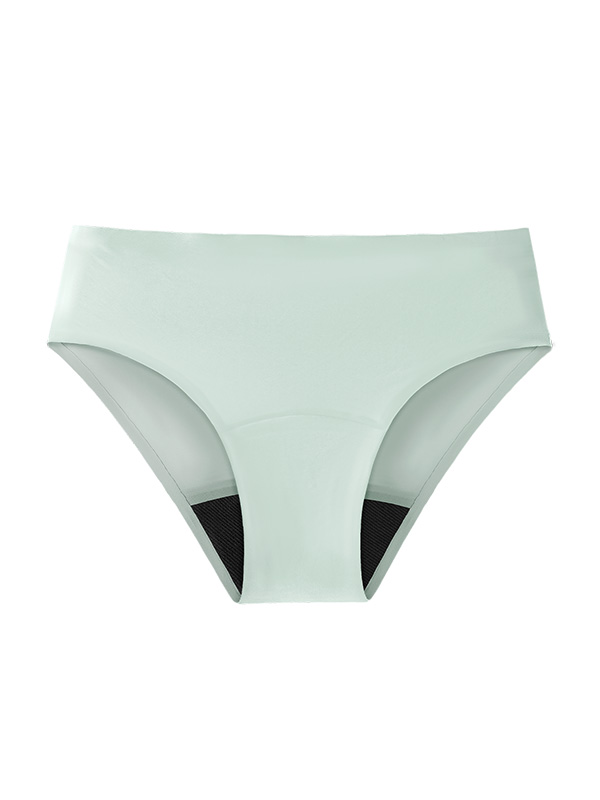
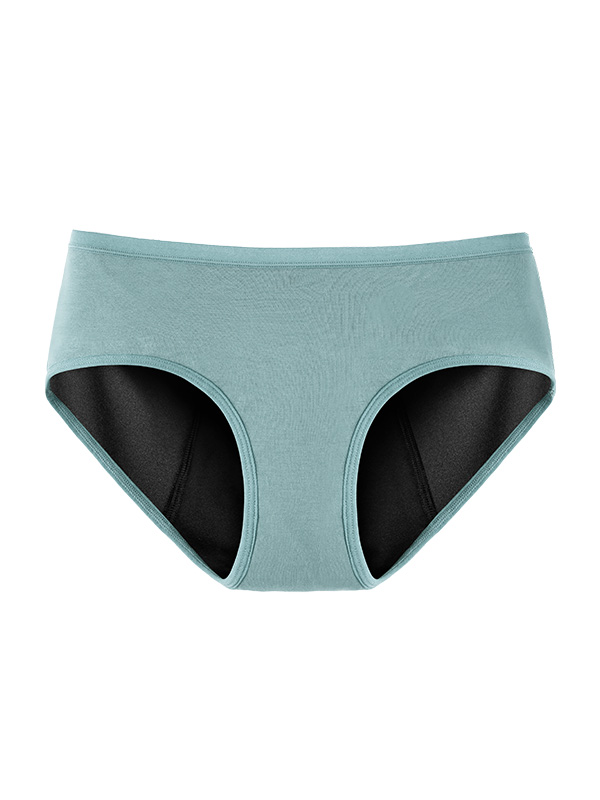
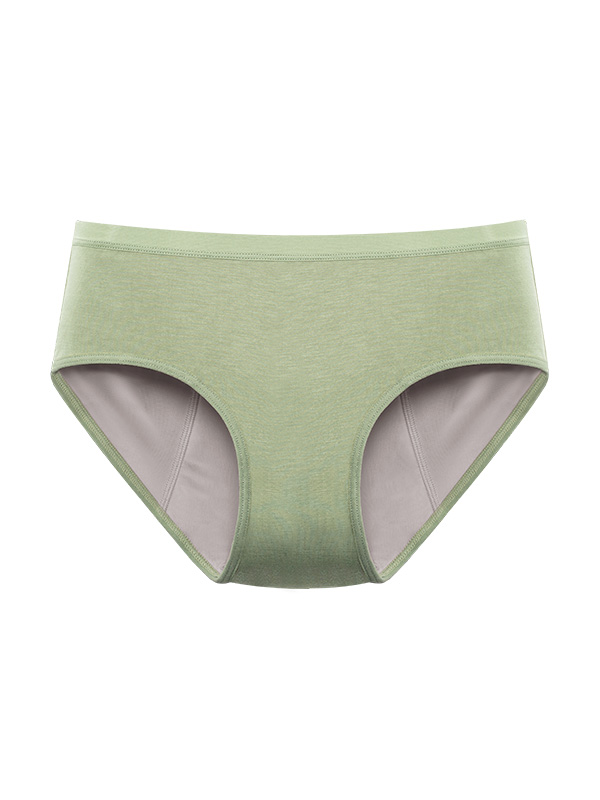
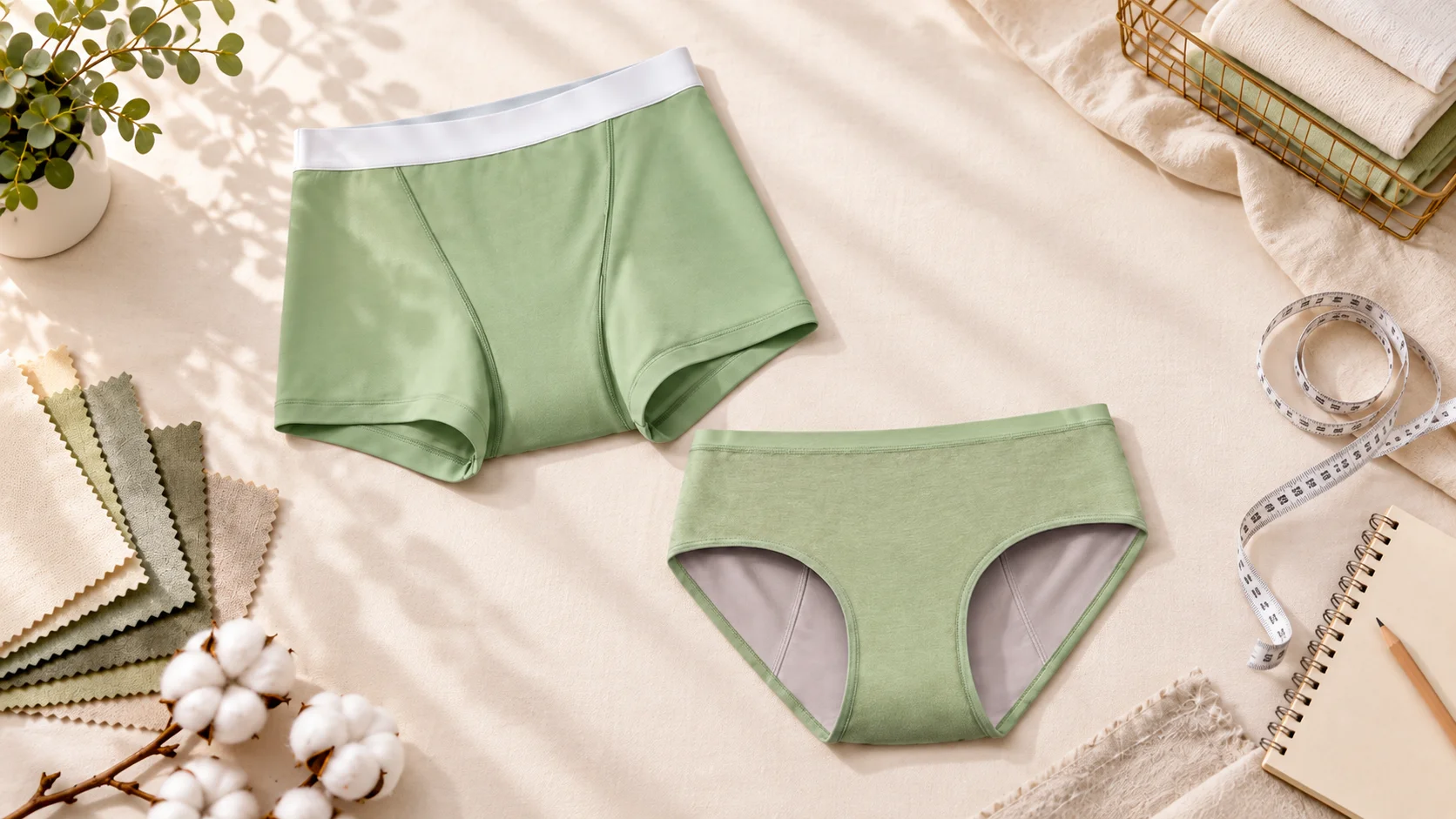
Tiichoo’s Teenage/Girls range includes dedicated period-underwear and girls’ incontinence styles, with some products supporting overlapping protection needs depending on the SKU. The listed 31091 product is washable girls’ incontinence underwear with a viscose-and-elastane blend, full back coverage, stretchy leg openings, and a light-to-moderate bladder-leakage position.
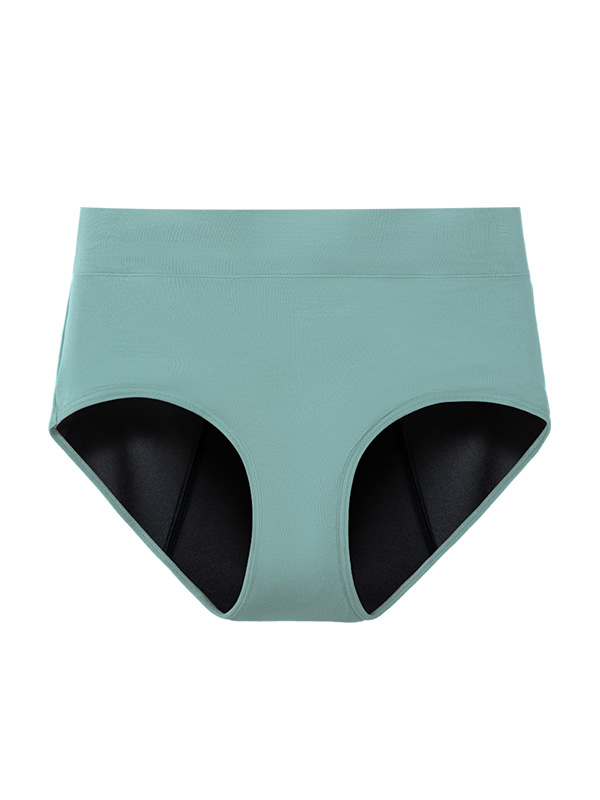
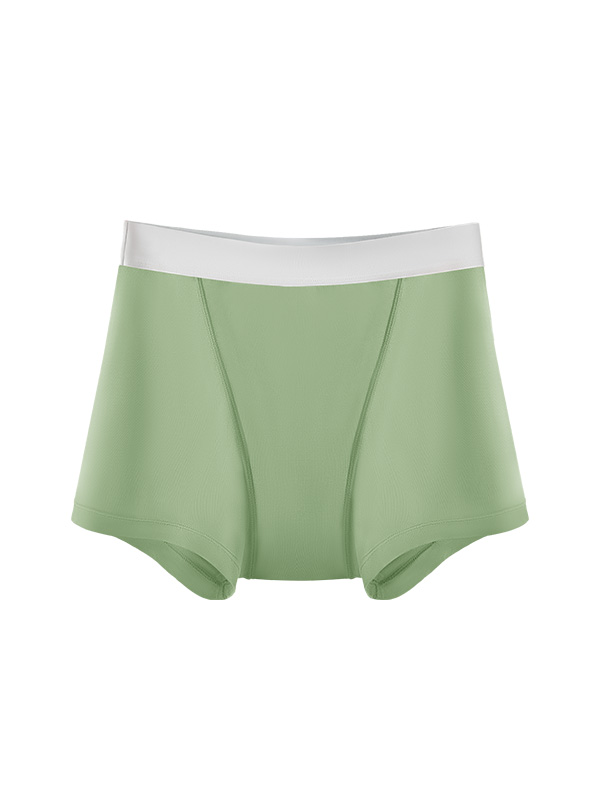
The 31102 style uses a high-waisted boyshort silhouette with an extended front-to-back gusset for period protection and light bladder leaks. Those distinctions give a buyer a starting point for choosing the product role before discussing branding or packaging.
Start with Tiichoo’s Teenage/Girls category to compare the currently listed product roles before selecting a sample.
Choose a product role that matches the buying channel
A specialty-care distributor may value clear leakage boundaries, familiar underwear construction, and a size chart that staff can explain. An e-commerce retailer needs concise fit guidance, visible care information, and a product name that does not confuse bladder leakage with menstrual protection. A private-label brand may also need packaging language that is discreet, age-appropriate, and consistent with its customer-service policy.
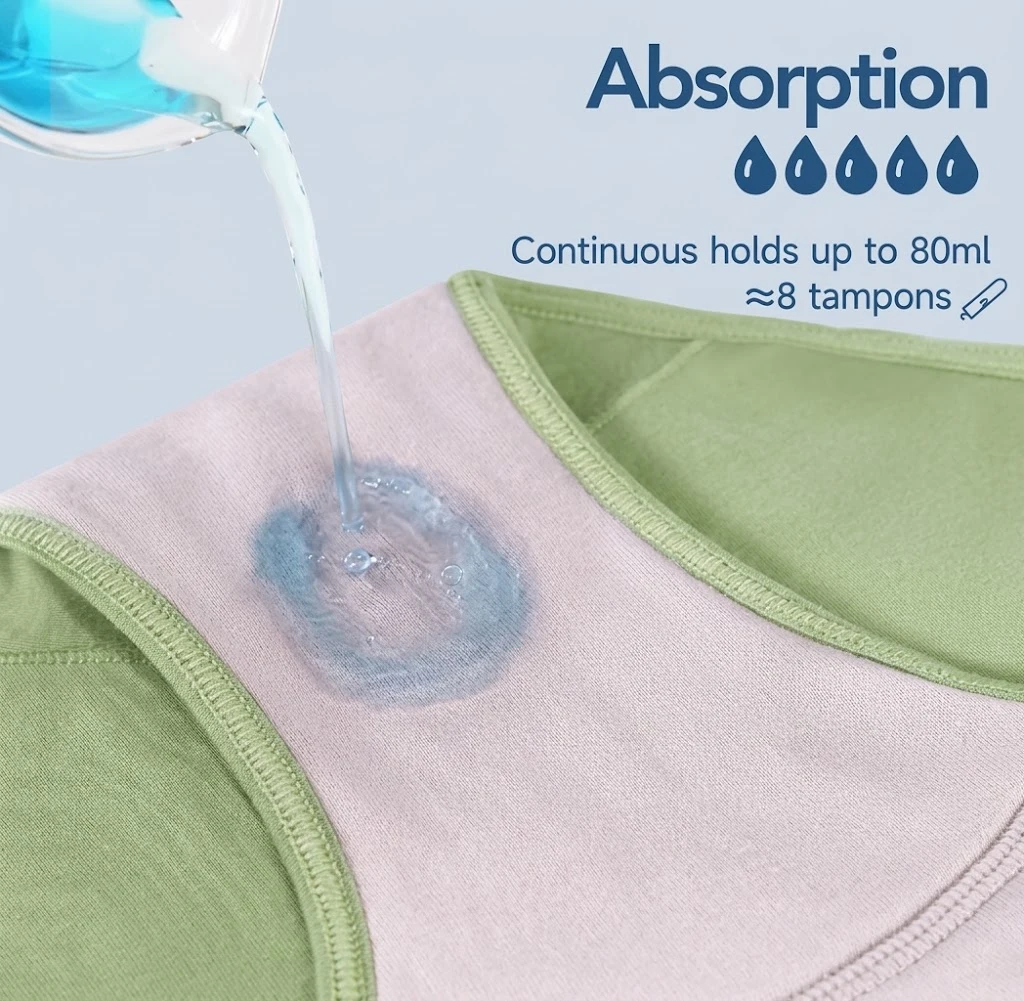
Do not choose a SKU only because it has the most features. Decide what the customer should understand in one sentence, then check whether the sample, coverage, and evidence support that sentence. If the proposed copy says “girls’ incontinence underwear,” the product file should identify the exact intended use and limitations rather than relying on a broad absorbency impression.
Product reference: Review the 31091 girls’ incontinence style.
Review fit, coverage, and movement before bulk planning
A girls’ functional-underwear sample should be reviewed by measurement and movement. Record the waist, hip, rise, leg opening, gusset width and length, back coverage, and the way the garment sits while walking, sitting, and changing position. A garment that shifts can reduce the practical value of its coverage even when its materials are unchanged.
Use the smallest, middle, and largest proposed sizes for grading review when the range allows. Check whether the functional area remains aligned as the pattern grows, whether leg openings stay secure without excessive pressure, and whether the fabric becomes transparent when stretched. Keep fit observations separate from clinical or medical conclusions; the garment is functional apparel, not a treatment.
- Record body measurements and finished-garment measurements separately.
- Check waistband recovery, leg-opening comfort, rise, front coverage, and back coverage.
- Review the gusset or absorbent area during movement, not only on a flat table.
- Repeat key checks after the proposed wash and dry method.
- Confirm that customer-facing wording matches the exact SKU and stated leakage boundary.
Compare 31091 and 31102 by buyer task, not by name
A useful product comparison asks which customer problem each construction is meant to solve. A full-back-coverage style may be easier to explain for a buyer prioritizing an everyday underwear profile and light-to-moderate bladder leakage.
A boyshort style with an extended gusset may serve a different coverage or silhouette preference, but its period-protection positioning means it should not be presented as the same product without confirming the intended claim language.
The 31091 girls’ incontinence style is a practical starting SKU for a brief centered on washable bladder-leakage underwear. The 31102 boyshort style is a useful comparison when a buyer is assessing coverage and silhouette, but the current listing also connects it to period protection and light bladder leaks.
The decision rule is simple: select the style whose stated role matches the channel, then ask for the exact sample, measurement chart, care information, and claim support before approving packaging.
Compare the 31102 boyshort style when the channel calls for a different silhouette and coverage profile.
Treat wash care and labeling as part of the product
Reusable underwear is judged after repeated care, not only at first inspection. Confirm the washing temperature, machine or hand-wash method, drying instructions, restrictions on bleach or softener, and the expected condition of the functional area after washing. Keep a washed reference sample with the approval record so later production checks have a defined comparison point.
The same care and use wording should appear on the sewn label, packaging, instruction insert, product page, and marketplace listing. Destination-market labeling and import obligations should be checked by the buyer for the exact country and channel. Do not use a general textile or factory document to support a claim about a different style, color, size, or production version.
Plan packaging for a sensitive category
Packaging has to make the product understandable without making the wearer feel exposed. Decide how the pack communicates size, intended use, care, materials, and quantity.
For e-commerce, product images and copy must explain fit without promising a medical outcome. For a retail or pharmacy channel, barcode space, language, shelf recognition, and discreet wording may matter as much as decorative design.
Pack format also affects the RFQ. A single pair, starter pack, or multipack changes size ratios, inventory positions, carton planning, artwork, and customer expectations. Set the pack contents and size breakdown before approving artwork, and make sure the product sample used for photography or copy is the same construction being quoted.
Next step: Request a girls’ underwear sample review.
Decide between standard sourcing and private label
A standard SKU may be appropriate when the fit, materials, coverage, and care instructions already match the brief. Light private labeling can then focus on branding, labels, packaging, and channel presentation. Deeper development becomes relevant when the buyer needs a new pattern, size grading, material, functional-zone construction, or product role.
State the development route in the RFQ. Include the target market, sales channel, quantity estimate, size range, preferred style, color, branding, packaging, sample requirements, documentation, and launch timing. If any of those details are provisional, identify the decision the supplier must help resolve instead of asking for an undefined quotation.
Tiichoo supports ready-style wholesale, light customization, and deeper customization routes, with the available scope depending on the selected SKU, order volume, and project requirements.
For a girls’ incontinence underwear project, the buyer should first identify the exact product role and approve the fit. The branding and packaging conversation can then be attached to that SKU, while any requested change to pattern, materials, or functional construction is treated as a separate development question. This sequence reduces the risk of approving attractive packaging for an unapproved product.
Use Tiichoo’s light-customization guidance after the product role and sample are approved.
Conclusion: make the product role clear before you scale
Girls’ incontinence underwear wholesale is a viable sourcing task only when the product role is clear. Define the wearer, leakage boundary, size range, coverage, care, channel, and customer language before comparing samples. Then approve the exact garment, keep the limitations visible, and connect any private-label work to the approved style rather than treating branding as proof of performance.
A focused first range is easier to explain and reorder than a collection of overlapping styles. Use the sample review to decide whether 31091, 31102, or another verified SKU fits the channel. Record the decision, the evidence behind the copy, the packaging version, and the change-control point for future orders.
When the product role, size range, and sales channel are ready, send the complete brief for a sample or RFQ response.
Frequently Asked Questions
Is girls’ incontinence underwear the same as girls’ period underwear?
No. The categories can overlap in garment construction, but they answer different product tasks. Girls’ incontinence underwear is positioned around bladder leakage, while period underwear is positioned around menstrual flow. Buyers should select the product role first and keep the name, claims, packaging, and customer guidance aligned with the exact SKU.
What should a buyer check before ordering a girls’ incontinence underwear sample?
Confirm the intended use, size range, waist and hip measurements, rise, leg openings, coverage, functional-zone position, fabric, care method, packaging needs, and target-market requirements. Ask for the exact style and version being sampled. Review movement and post-wash condition before approving customer-facing claims or bulk production.
Can a girls’ incontinence underwear supplier provide private labeling?
Private labeling may include branding, labels, packaging, and other project-specific changes, subject to the selected product and order scope. Confirm which items are available for the exact SKU, quantity, and market. A branding route does not replace fit approval, evidence review, or confirmation of the product’s use boundary.
How should retailers describe light to moderate bladder-leakage underwear?
Use wording that matches the selected SKU and its documented boundary, such as washable underwear designed for light to moderate bladder leakage when that wording is supported. Avoid medical treatment claims, universal leak guarantees, and broader protection statements that have not been verified for the exact product, size, and use condition.