Period Underwear Wholesale Europe 2026: PPWR Packaging Guide
-
 author
- 22nd October 2026

For buyers sourcing period underwear wholesale for Europe, packaging is no longer something to decide after the garment is approved. The EU Packaging and Packaging Waste Regulation, or PPWR, started applying on August 12, 2026, creating a common framework for packaging placed on the EU market. Further requirements are phased in over time, which puts more attention on packaging specifications, waste reduction and recyclability.
For importers, retailers and private label period underwear brands, the buying task is more practical than the regulation may sound: define the package, match it to the sales channel, keep the approved version clear, and give the supplier enough information to quote the right project.
What PPWR 2026 Means for Period Underwear Wholesale Buyers
PPWR matters to sourcing teams because packaging now sits more clearly inside the wider EU product and waste-management framework. For a period underwear supplier serving the European market, packaging should be treated as part of the sourcing file rather than a graphic-design job added at the end.
This is particularly relevant when one brand sells several SKUs, uses different retail packs or serves more than one European channel.
The 2026 Starting Point for EU Packaging
PPWR applies across the EU from August 12, 2026 and covers packaging placed on the EU market. Measures around packaging design, labeling, waste reduction and recyclability continue to phase in after 2026.
For a private label period underwear project, the immediate buying decision is straightforward: know which package is being ordered and keep the final version connected to the correct SKU, market and artwork.
Build Packaging Control Into the Buying Process
A useful approval record does not have to be complicated. It should identify the product SKU, packaging format, dimensions, artwork version, barcode, destination market and approval date.
If the package changes later, create a new version. This avoids a common reorder problem: the garment is correct, but the buyer and supplier are working from different packaging files.
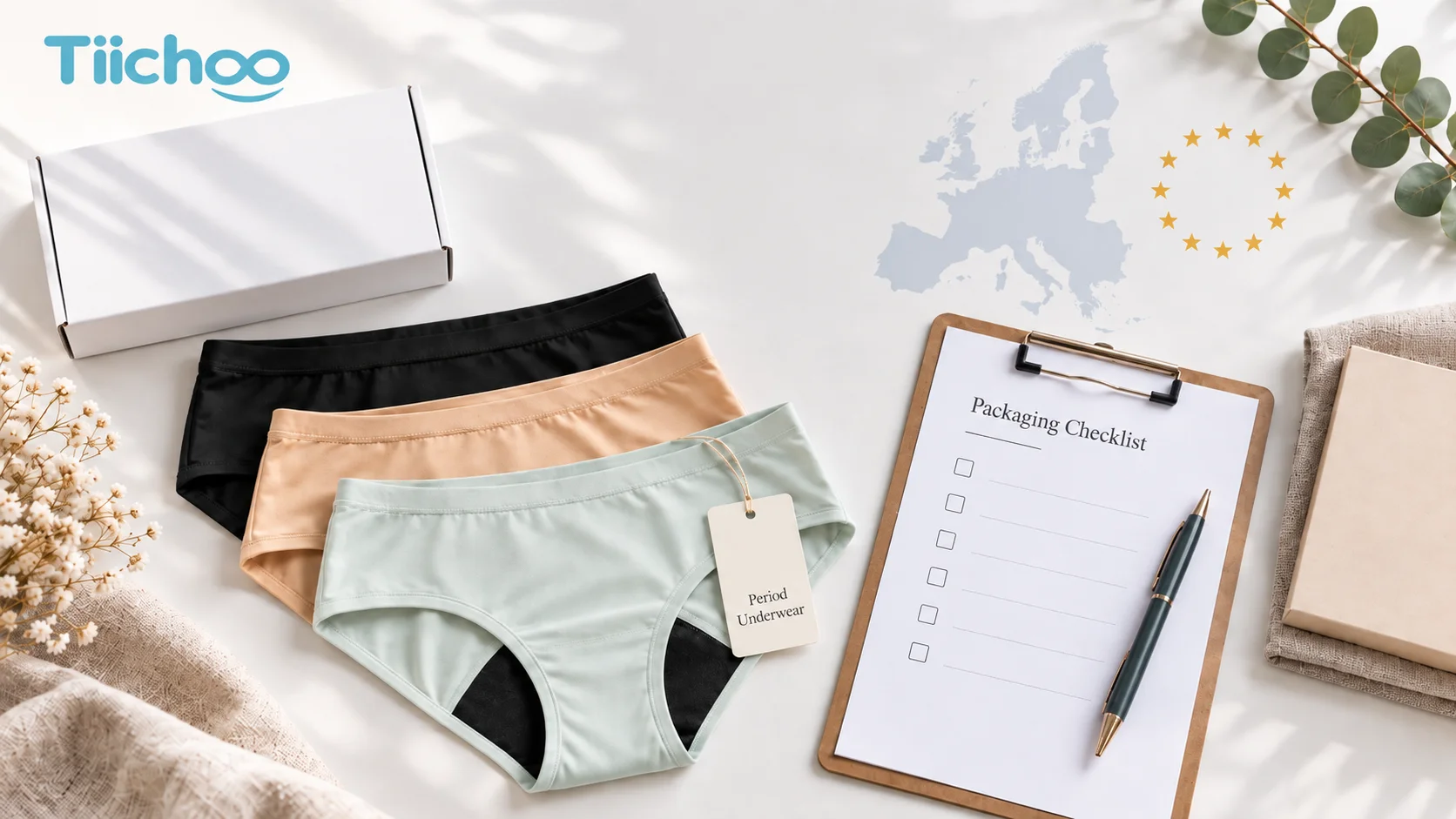
Period Underwear Packaging BOM for EU Retail and E-Commerce
“Custom packaging” is too broad for an accurate quotation. One buyer may want a belly band. Another may need an individual pouch, hangtag, barcode sticker, insert and shipping carton.
A packaging BOM gives both sides a common reference before artwork, sampling and bulk production. It also helps buyers separate necessary packaging from extra components that add cost or inventory without helping the sales channel.
Define the Packaging BOM Before Artwork
| Packaging item | Buyer decision | Approval record |
| Individual pouch or bag | Format, size, material | Final specification |
| Belly band or retail box | Dimensions, finish, print area | Artwork version |
| Hangtag or insert | Copy, language, size | Approved file |
| Barcode or size sticker | Code and placement | Label version |
| Master carton | Dimensions and shipping marks | Carton specification |
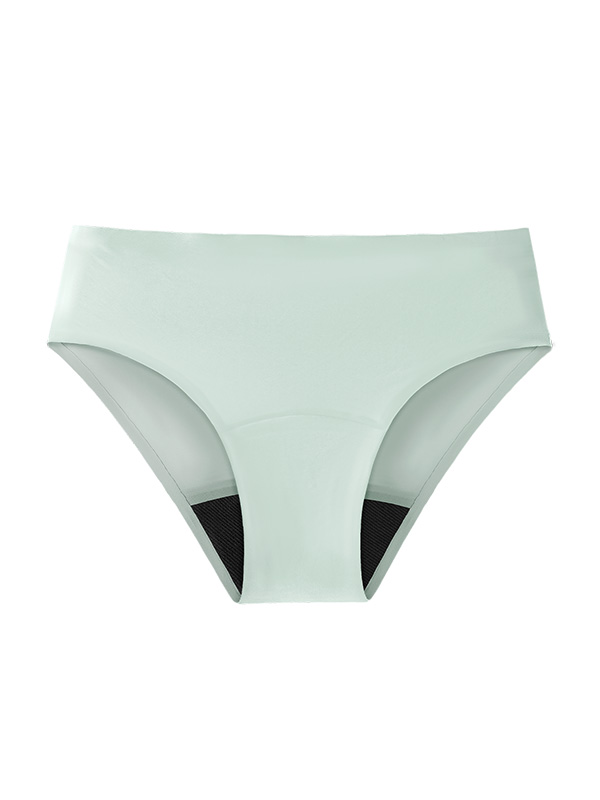
Packaging information should always be approved at SKU level. If a buyer selects Tiichoo Seamless Period Underwear 61136, the product name, size information, care instructions and retail copy should all match that exact style. This helps prevent inconsistencies between the garment, artwork and final packaging.
Match Packaging to Amazon Europe, DTC and Physical Retail
Channel comes before decoration.
Amazon Europe sellers need barcode and fulfilment details settled early. DTC brands tend to care more about parcel size, bundles and presentation. Physical retail needs quick product recognition, visible sizing and clear care information.
Social-commerce launches can move differently again. A TikTok Shop or creator-led test may start with only one or two core SKUs. Printing several packaging versions before demand is proven can create unnecessary stock, even when the garment MOQ itself is low.
Supplier Records and Packaging Version Control
Good packaging control is not about collecting a large document folder. It is about knowing which specification actually controls the order.
That becomes important when artwork changes, a retailer requests another barcode format, or a brand introduces a second pack for the same product. The more SKUs a buyer carries, the more useful simple version control becomes.
Keep the Approved Packaging Version Tied to the SKU
The buying file should make it clear which pack belongs to which product.
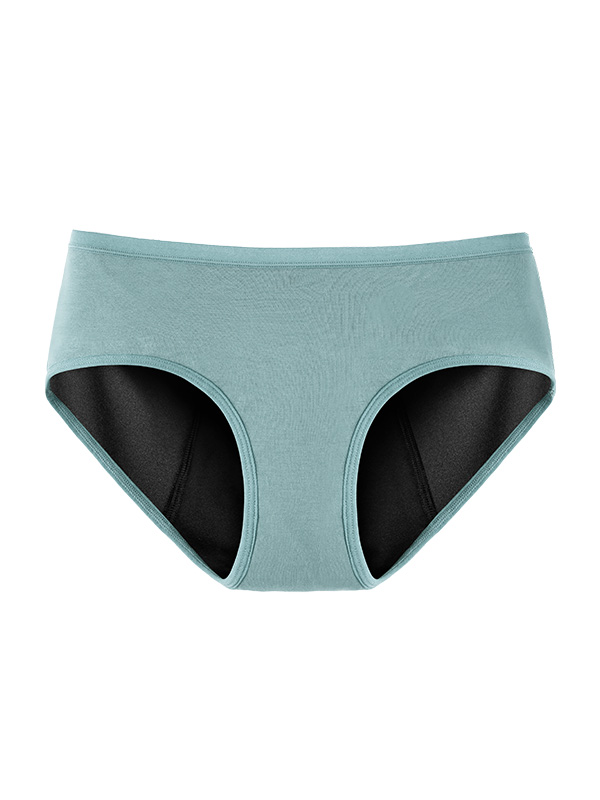
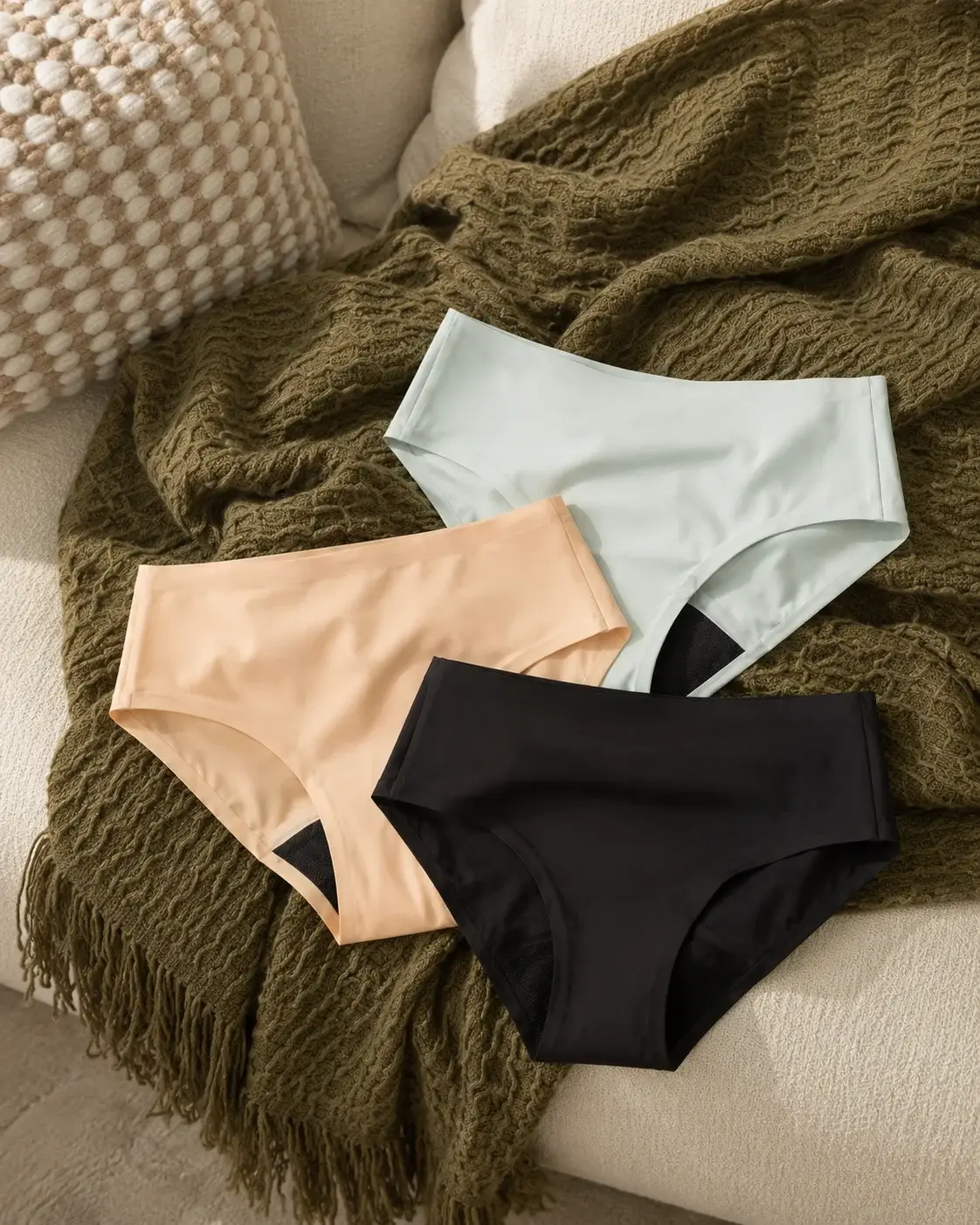
For example, Tiichoo Viscose Period Underwear 31001 is a separate washable period underwear style with a hipster fit. It should have its own approved product and packaging record rather than inherit every line of copy from another SKU.
The point is not to repeat technical specifications on the package. It is to keep product identity, care information and sales copy aligned.
Avoid Late Artwork Changes
Small artwork changes are cheap before printing starts and much less convenient afterward.
A late barcode move, language revision or size-panel change can affect packaging that has already been produced. Freeze the approved version before bulk printing and keep that file available for repeat orders.
Period Underwear MOQ and Private Label Packaging
MOQ is rarely one number. Garment quantity, barcode customization, printing, branded packaging and deeper product development may each have different thresholds.
This matters for buyers searching for low MOQ period underwear, because a small garment order does not automatically mean every custom packaging option is available at the same volume.
Separate Garment MOQ From Packaging MOQ
Tiichoo ready styles currently start from 10 sets. Custom barcodes are available above 10 sets, laser printing above 200 sets, while custom logo hangtags, labels/manuals, inner boxes or belly bands, and outer-carton logo printing start above 500 sets. Deep material or design customization starts from 5,000 sets.
Buyers can check the current thresholds in the Tiichoo Wholesale & OEM Buyer FAQ before building a private label RFQ.
Use a Staged Private Label Route
A practical first launch often follows four steps:
test the product → review demand → add branding → consider deeper development
That approach keeps packaging spend tied to actual commercial progress.
For buyers still deciding how many products the first range needs, the Private Label Period Underwear 2026 Market Trends & Manufacturer Guide provides a useful next step on SKU planning and product positioning.
How to Prepare a Period Underwear RFQ for Europe
A good RFQ reduces back-and-forth before quotation. “Please quote private label period underwear for Europe” leaves too many important details open.
The supplier needs to know what product is being ordered, where it will be sold and how much packaging customization is actually required.
Include the Commercial Basics
A period underwear wholesale RFQ should include:
- selected SKU or product link;
- target quantity and size/color mix;
- destination country;
- sales channel;
- packaging format;
- barcode and branding requirements;
- target launch date.
If the first order is a market test, say so. A small validation order and an established retail program do not need the same sourcing route.
Approve the Pack Before Bulk Production
Before bulk printing, confirm the SKU, destination market, packaging BOM, artwork, barcode and customer-facing copy.
Then freeze the approved version.
It is a simple step, but it makes the second PO much easier than trying to reconstruct the first order from email attachments.
Conclusion
Period underwear wholesale in Europe now calls for tighter packaging control, but the buying process does not need to become complicated.
Start with the exact SKU. Define the package around the sales channel. Keep packaging and garment MOQs separate. Approve one clear version before bulk production, then send an RFQ that reflects the actual project.
Tiichoo supports ready-style wholesale, private label packaging and deeper development at different order levels. Buyers with a target product, market and quantity can contact Tiichoo for a project-specific wholesale quotation.
FAQ
Q1: What is the MOQ for period underwear wholesale Europe orders?
A: Tiichoo ready styles currently start from 10 sets. Barcodes, printing, branded packaging and deeper customization have separate quantity thresholds, so buyers should confirm each part of the project before placing the PO.
Q2: Can period underwear be private labeled for European retail?
A: Yes. Private label projects can include branding, barcodes, labels and packaging depending on the order volume and project scope.
Q3: Does PPWR apply only to packaging made inside the EU?
A: No. PPWR applies to packaging placed on the EU market, so imported products also fall within the regulation’s scope when their packaging is placed on that market.
Q4: What should a private label period underwear RFQ include?
A: Include the selected product, quantity, size and color breakdown, destination market, sales channel, packaging format, barcode requirements, branding scope and launch timing.
Q5: Can I test low-MOQ period underwear before ordering custom packaging?
A: Yes. A controlled ready-style order can give a new brand useful sales feedback before it commits to higher-volume branded packaging or deeper customization.