Period Underwear for Teens 2026: School Fit & Private Label Sourcing Guide
-
 author
- 18th September 2026

Launching period underwear for teens can look straightforward on a line sheet. In practice, B2B buyers usually have harder questions to settle before branding even starts. Will the fit stay stable through long hours at school? Is the absorbent zone positioned correctly across the intended size range? Will the garment remain discreet under uniforms or leggings? And does each SKU have a clear role, or are several styles competing for the same customer?
Those decisions affect sample approval, range planning, product claims, reorders, and ultimately how easy the collection is to sell. For retailers, distributors, and private label brands, the starting point should be the intended use rather than simply choosing a smaller size or the highest absorbency figure.
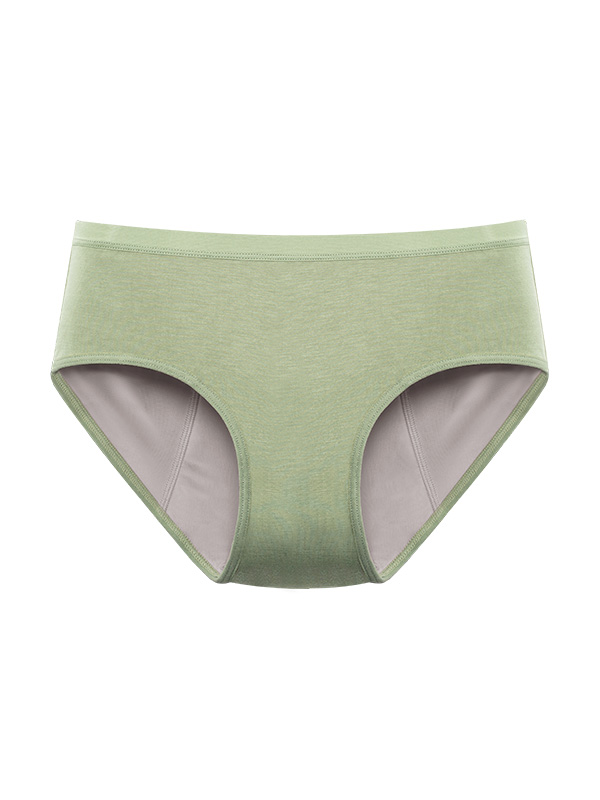
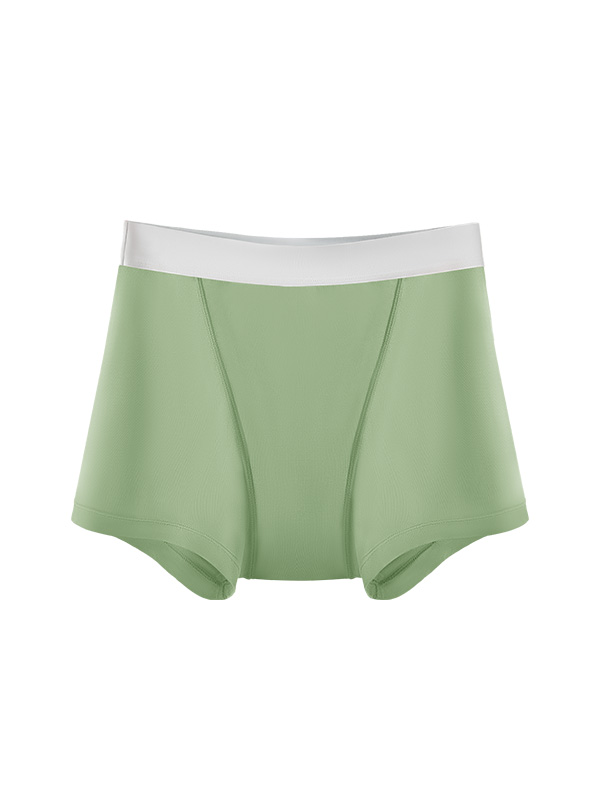
Retailers, distributors, and private label buyers can use the Tiichoo teenage underwear collection as a starting point for comparing available styles and building a teen period underwear assortment around their target market.
Teen-Specific Fit Requirements for Period Underwear
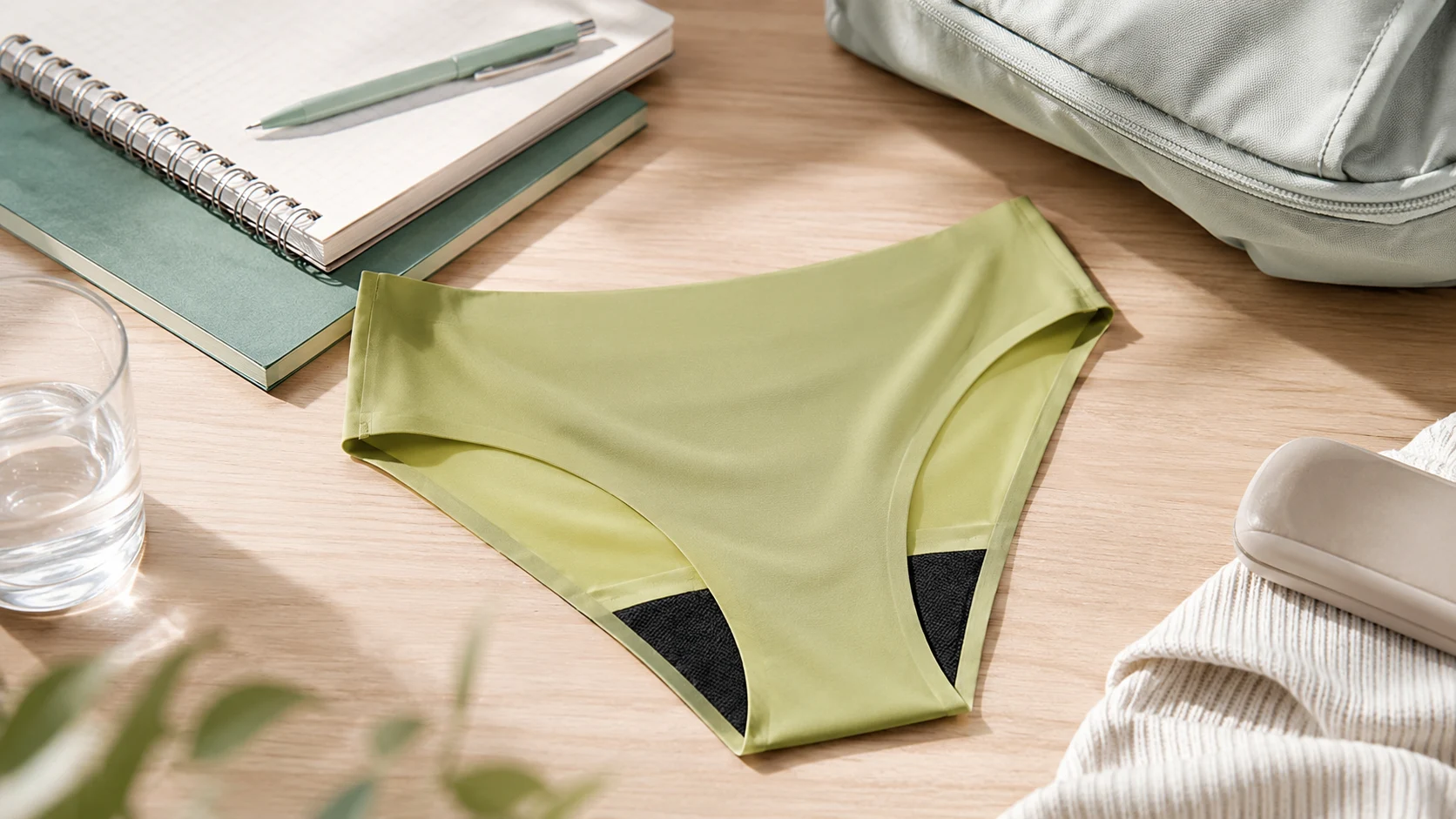
Fit is one of the first areas buyers should evaluate because absorbency performs as intended only when the garment stays correctly positioned. A size label such as XS or S does not tell a sourcing team enough about rise, waistband recovery, leg openings, or gusset placement.
For teen period underwear, the better approach is to review the actual garment against the intended age and size group rather than assume that a smaller adult size will automatically deliver the right result.
Key Fit Variables That Influence Functional Performance
Waist fit, rise, leg openings, and gusset position should be reviewed together.
The waistband needs to remain stable during sitting and movement without creating excessive pressure. Leg openings should stay close to the body while allowing normal movement. Rise affects how the garment sits front to back, while gusset position affects whether the absorbent area stays correctly aligned during wear.
For girls period underwear, sample fitting should include standing, sitting, walking, and bending. A quick fitting alone does not reflect how the product will behave during classes, commuting, or after-school activities.
School-Day Performance Requirements for Teen Period Underwear
Period underwear for school faces a different use pattern from underwear mainly worn at home. Students may spend several hours sitting, move between classrooms, take part in PE, and wear fitted trousers, skirts, leggings, or sportswear for much of the day.
Once basic sizing is confirmed, buyers therefore need to look at garment stability, profile, and movement together. This is where school-day positioning becomes more useful than simply labeling a product “for teens.”
Evaluating Discretion and Stability During Movement
For fitted clothing, buyers should review seam visibility and overall bulk. During movement, check whether the waistband, leg openings, and absorbent area remain in place.
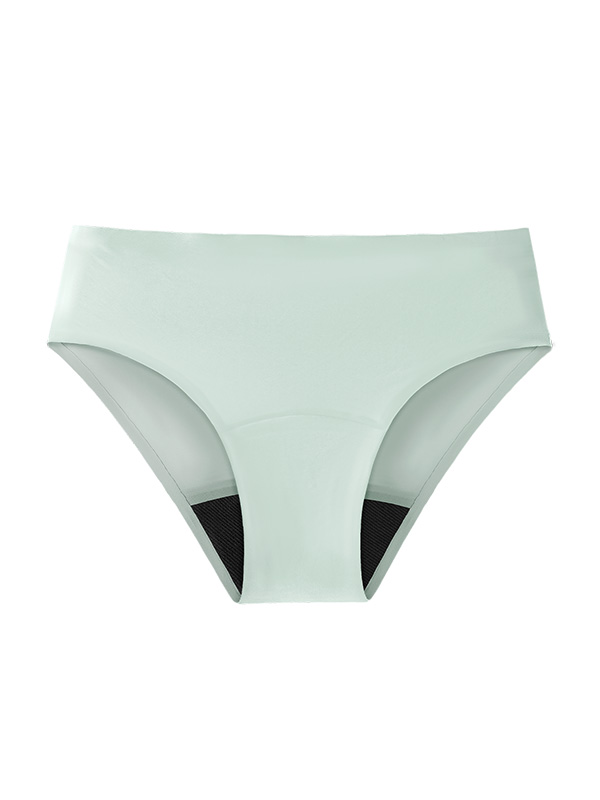
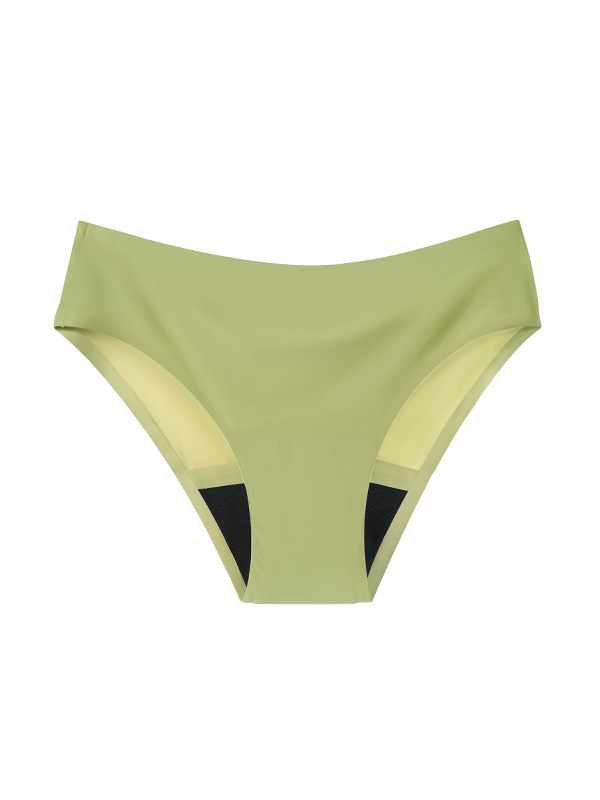
Seamless period underwear for teens can be particularly relevant for brands targeting school uniforms, leggings, or active daily wear. Tiichoo’s Seamless Leakproof Girls Period Panties 61080 provides a ready reference for this product direction. The style uses an 80% polyamide and 20% elastane body fabric, has a seamless profile, and is tested to absorb up to 50 ml.
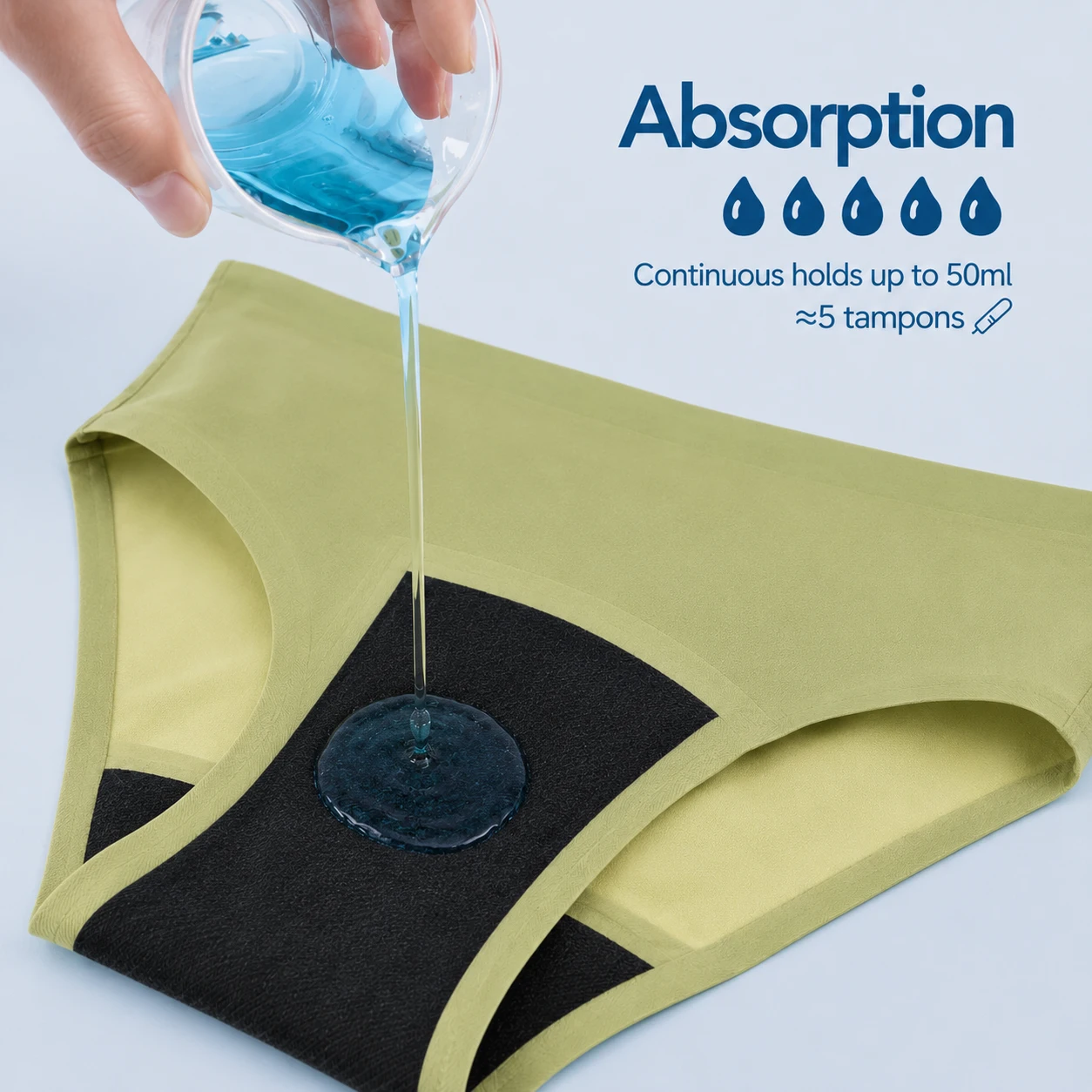
For a B2B buyer, those specifications matter because they provide something concrete to compare during sampling: stretch recovery, fit under clothing, gusset position, and whether the absorbency level suits the intended retail use.
View Teen Period Underwear Options →
Selecting Absorbency for Teen Period Underwear Use Cases
Absorbency is one of the first specifications buyers compare, but a higher figure is not automatically the right choice for every SKU. A first-period style, an everyday school option, and a broader-coverage product can serve different roles in the same range.
The commercial goal is clarity. Customers should be able to see why one style exists and when they might choose it over another.
Matching Absorbency to Intended Use
Absorbency should stay tied to the exact SKU and intended use. A listed capacity should not be converted into a guaranteed number of wear hours, because actual use varies with flow, fit, movement, garment condition, and absorbent-zone position.
For B2B packaging and online listings, clear wording matters more than an oversized claim. Keep absorbency information consistent across product pages, packaging, and sales materials.
Tiichoo positions period underwear as functional menstrual apparel, with product communication focused on absorbency, coverage, fit, comfort, care, and intended use rather than treatment or clinical claims.
Building a Practical First-Period Assortment
Once absorbency roles are clear, the next question is how those products should work together for first-time users.
First period underwear is often purchased before a teen has developed a preferred silhouette or flow routine. A range with too many similar products can make the category harder to shop and harder for retailers to explain. A focused starter assortment is usually easier to merchandise and provides clearer sales feedback.
Defining Core Products for First-Period Use
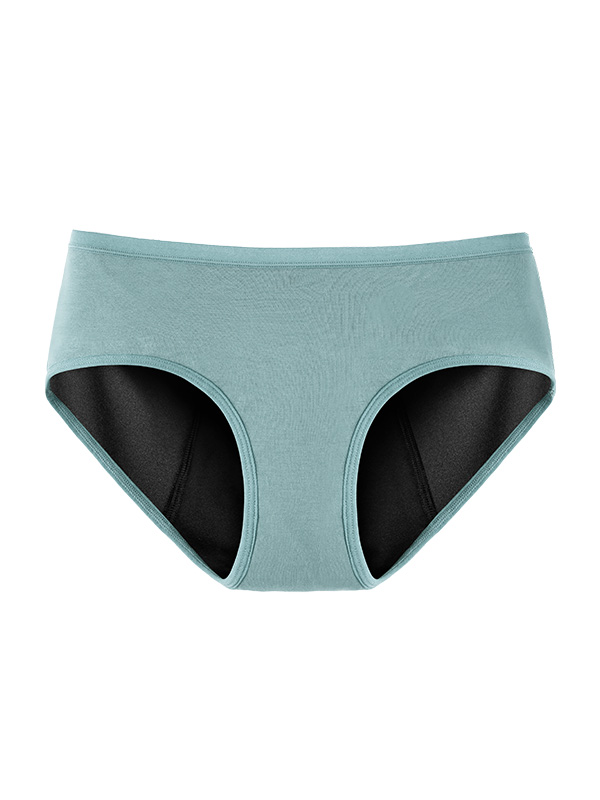
A first-period range can begin with an everyday core style, a discreet school-day option, and one silhouette offering broader coverage.
The products do not need identical positioning. One style can focus on low-profile everyday wear, while another provides a different coverage direction. This creates a clearer reason for repeat purchase rather than filling the range with minor variations.
For buyers developing period underwear for first-period use, simple product roles and straightforward absorbency communication are often more useful than a large initial SKU count.
Building a Commercial Teen Period Underwear Assortment
Fit, absorbency, and use case should be settled before buyers add multiple colors, pack formats, or small design variations.
For teen period underwear wholesale, a focused first range is easier to merchandise, forecast, and reorder. It also makes early sales data more useful because buyers can see whether customers are responding to fit, silhouette, absorbency, price, or styling.
Defining Clear SKU Roles
| Range Role | Practical Direction | Main Buyer Check |
| Everyday core | Familiar brief or bikini shape | Fit and gusset position |
| School-day option | Seamless or low-profile construction | Bulk and stability |
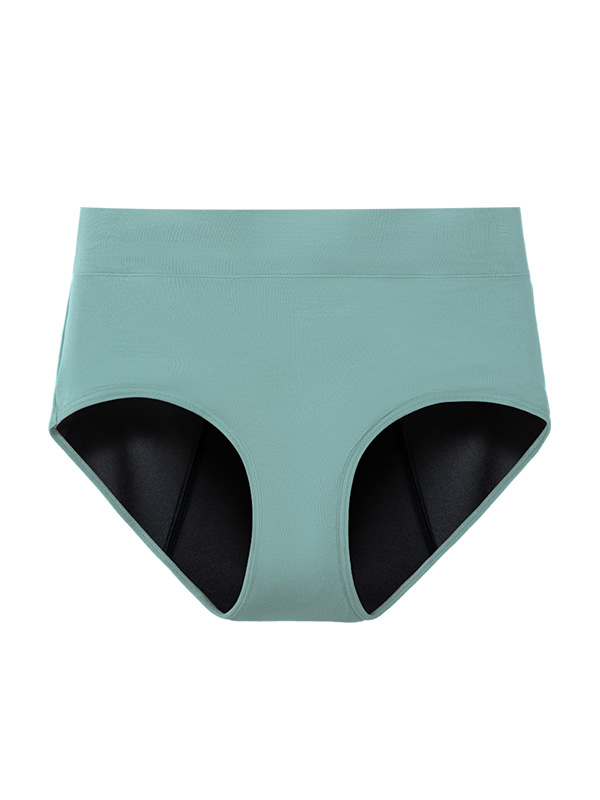
| Broader coverage | Alternative silhouette | Coverage during movement |
| Repeat-purchase option | Core style in a practical retail format | Inventory and reorder planning |
Retailers may use search-friendly terms such as period panties for teens in consumer-facing content, but the internal product brief should remain more precise. Define the target user, size range, silhouette, absorbency, care requirements, and sales channel before expanding the assortment.
Private Label Teen Period Underwear: Product Decisions Before Branding
Once SKU roles are defined, customization becomes much easier to scope. The buyer knows which parts of the product already work and which elements actually need to change.
Private label teen period underwear should therefore begin with the product brief, not the logo. Fit direction, absorbency, sizing, labels, packaging, and any product changes should be clarified before artwork is finalized.
Aligning Branding Scope With Product Development Depth
A ready-style test order and a fully customized private label program are two different sourcing projects.
Tiichoo currently supports ready-style wholesale starting from 10 sets. Branding, packaging, and deeper product changes follow separate quantity requirements, so buyers should confirm the applicable route before planning the project.
The Tiichoo Wholesale & OEM Buyer FAQ provides the current framework for ready-style orders, samples, light customization, and deeper customization.
For an early market test, an existing style may be enough. An established retailer may instead need custom labels, packaging, or additional product changes.
Teen Period Underwear Sample Validation
Whatever sourcing route is selected, the commercial brief still needs to be confirmed on a physical sample before bulk production.
For brands evaluating a teen period underwear manufacturer, sample approval is where fit, coverage, construction, and presentation become practical rather than theoretical. A structured review also helps buyers give specific feedback instead of broad comments such as “the fit needs improvement.”
Fit and Coverage Criteria for Sample Approval
Review the exact SKU and size against the way the product is intended to be worn:
- waistband comfort and recovery;
- rise and leg-opening fit;
- gusset position and coverage;
- stability while sitting, walking, and bending;
- profile under fitted clothing;
- care-label accuracy;
- fit and appearance after washing according to the stated instructions.
If several silhouettes are included in the range, each construction should be approved separately. Fit comments from one style should not automatically be carried over to another.
Tiichoo’s OEM collaboration process places sample evaluation and approval before purchase-order confirmation and bulk production, giving buyers a defined point to confirm the selected product before moving forward.
From Product Selection to a B2B Brief
By this stage, the sourcing conversation should be much simpler. The buyer has already defined the intended user, use case, silhouette, absorbency direction, size range, and customization level.
That information is enough to turn a general inquiry into a workable B2B brief.
What to Include in an Initial Inquiry
Send the preferred product or category, target quantity, destination market, intended size range, branding requirements, packaging needs, and target launch timing.
This gives both sides enough context to discuss the appropriate sample, customization route, and quotation without adding unnecessary development work.
Buyers ready to move from product review to a commercial discussion can request teen period underwear samples and a B2B quote.
Conclusion
A strong period underwear for teens range is built around real use rather than a long feature list.
For school-day products, fit stability, gusset position, garment profile, and absorbency need to work together. For first-period assortments, clear product roles make the category easier to buy and easier to merchandise. For private label projects, product decisions should come before branding work.
For B2B buyers, the practical approach is to begin with a focused assortment, approve the exact samples carefully, and expand only when sales data or market feedback gives a clear reason to add more styles or variations.
FAQ
Q1: Can teens wear period underwear to school?
A: Yes. Period underwear for school can be suitable for daily wear when the fit, absorbency, and coverage match the intended user. Buyers should also review stability during sitting and movement, as well as the profile under school uniforms or fitted clothing.
Q2: Is teen period underwear different from adult period underwear?
A: The key issue is fit rather than the label alone. Buyers should review waist, rise, leg openings, gusset position, and size grading for the intended teen range instead of assuming that an adult XS will automatically suit every younger customer.
Q3: What absorbency is best for a first period?
A: There is no single absorbency level that fits every first-period user. For a commercial range, it is better to define clear absorbency roles and intended use rather than position one SKU as suitable for every flow level.
Q4: Can teens wear period underwear during PE or sports?
A: Yes, provided the style suits the wearer’s flow and remains stable during movement. For active use, buyers should review waistband recovery, leg openings, gusset position, and bulk under sportswear.
Q5: What should brands check when sourcing private label teen period underwear?
A: Start with the target size range, fit, silhouette, absorbency, gusset position, intended sales channel, and customization scope. Once the product direction is clear, confirm samples, branding, packaging, MOQ, and production requirements with the supplier.