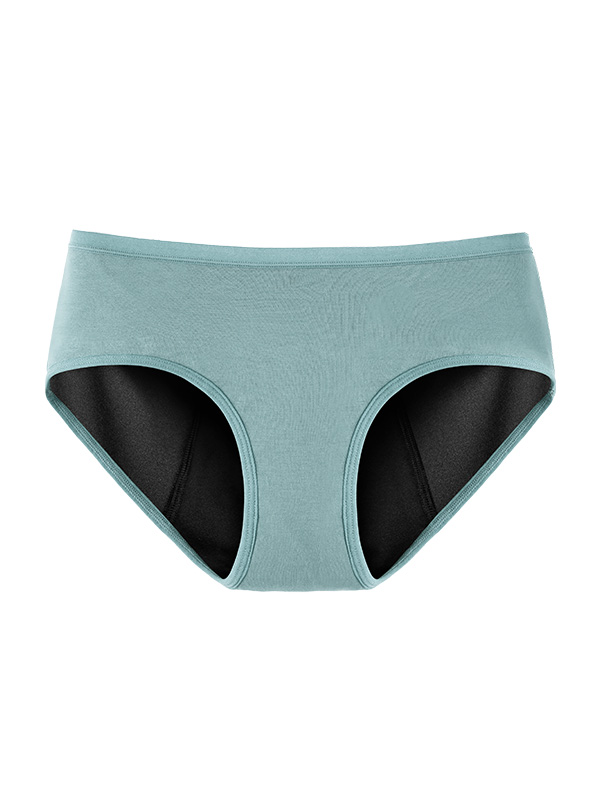
Women’s Incontinence Underwear 2026: 7 Product Opportunities for Private Label Buyers
-
 author
- 13th August 2026

Women’s incontinence underwear is moving closer to the everyday intimate-apparel market. For private label buyers, this means the sourcing conversation can no longer focus on absorbency alone.
A commercially viable product also needs familiar styling, stable sizing, clear care instructions, consistent wash performance, suitable packaging, and claims that can be explained without overpromising.
The sales channel sets the direction. An e-commerce brand may prioritize compact bundles and clear product photography. A pharmacy buyer often needs visible sizing and straightforward care information. A distributor may focus on case quantities, size ratios, and reliable reordering.
This article presents the product as reusable functional intimate apparel for everyday leak management rather than as a treatment. Buyers must confirm the applicable product classification, registration, labeling, and claim requirements in each destination market.
Browse the Tiichoo women’s underwear collection or visit the Tiichoo wholesale website for current products and OEM support.
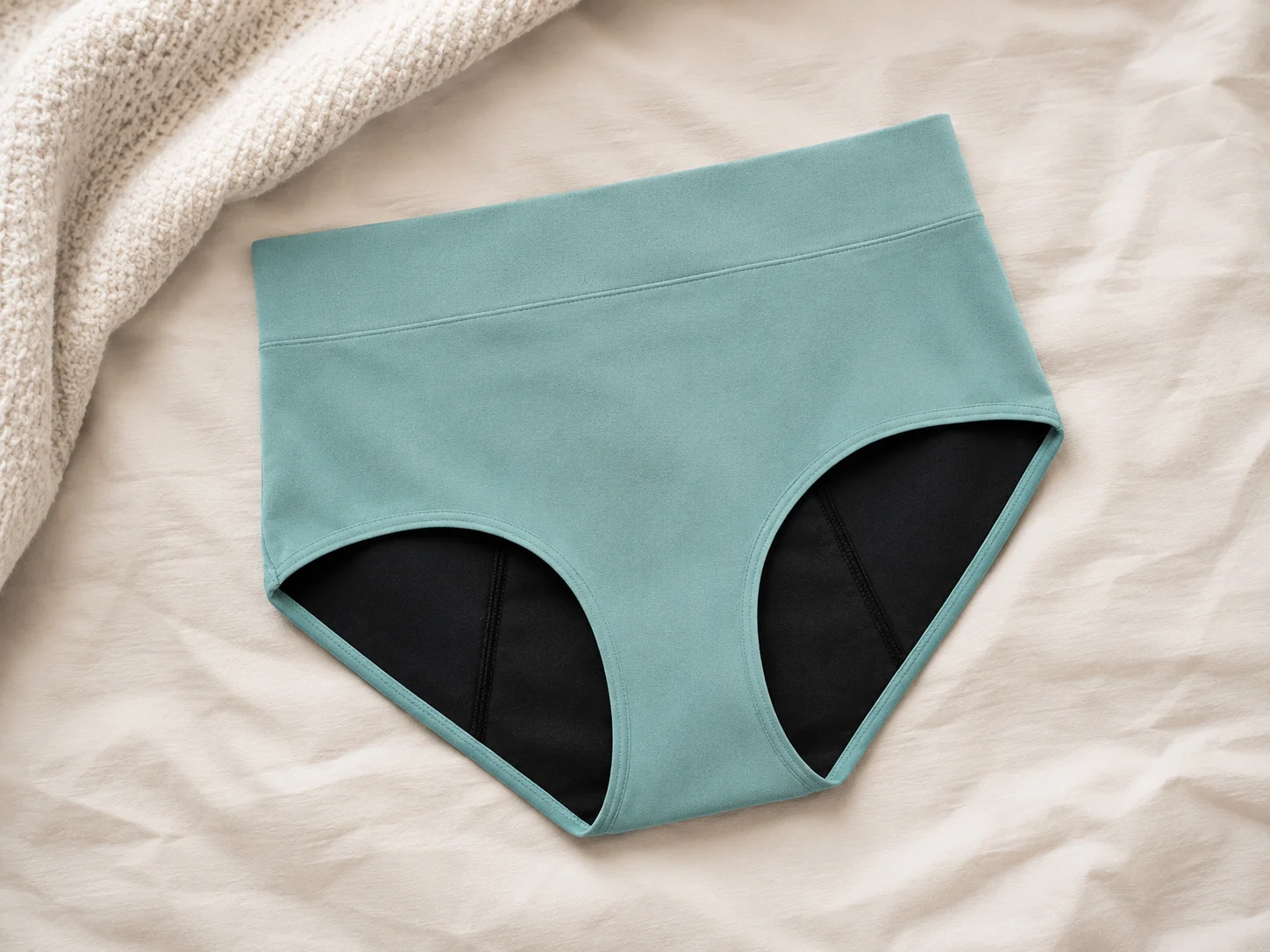
What Is Shaping Women’s Incontinence Underwear Demand in 2026?
More buyers want washable incontinence underwear that resembles regular underwear rather than disposable-looking protection. Soft fabrics, understated design, practical care, and channel-ready packaging now belong in the same product brief.
This does not mean a brand needs a large first assortment. A focused launch with one proven fit, a controlled size range, and clear packaging often produces more useful sales data than an order spread across too many styles and colors.
The goal is practical: select a garment that suits the target customer, remains stable through normal care, and can be reproduced consistently in bulk.
Seven Women’s Incontinence Underwear Opportunities for 2026
1. Discreet, Everyday Underwear Styling
A familiar brief shape is easier to position in lingerie, wellness, pharmacy, and online apparel ranges. The garment can communicate its functional purpose without looking bulky or institutional.
During sample review, check the absorbent-zone thickness, seam placement, waistband recovery, leg-opening tension, and opacity when the fabric is stretched.
The word “discreet” needs reasonable limits. Visibility changes with garment size, body shape, movement, and outer clothing. Avoid promises such as “completely invisible under all clothing.”
2. Washable Construction with Consistent Care Information
The value of washable incontinence underwear becomes clearer after repeated use. A new sample may feel soft and hold its shape, but the first fitting does not reveal shrinkage, pilling, gusset movement, drying time, or layer stability.
Care instructions must also match across the sewn-in label, packaging, instruction card, and online product page. Conflicting washing directions create customer-service problems and reduce trust.
Before approval, confirm the washing temperature, drying method, expected dimensional change, and any restrictions on bleach or fabric softener. Buyers should also ask how the wash sample was evaluated.
3. High-Waist Fits with Broader Coverage
High-waist briefs remain useful for brands seeking a familiar silhouette with more front and rear coverage. Still, a higher rise does not automatically create a stable fit.
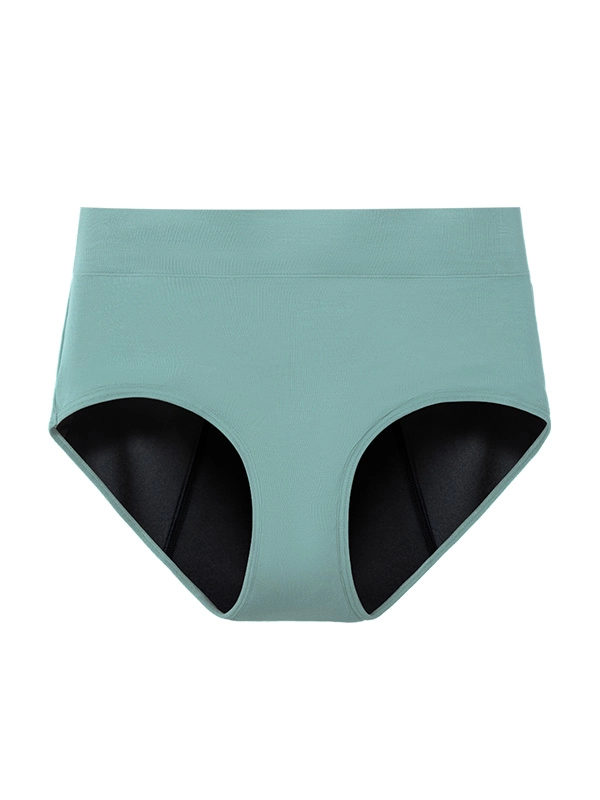
Tiichoo women’s style 31003 is presented as a high-waist brief with broader lining coverage. The product page lists 95% viscose, 5% spandex, and machine-wash care.
A real fit review should answer:
- Does the waistband roll while sitting?
- Does the gusset remain correctly positioned?
- Is the rear coverage stable during movement?
- Do the leg openings feel secure without being restrictive?
- Does the size grading suit the destination market?
A sample can look correct when laid flat and still shift during walking or sitting.
4. Viscose-Rich Fabric for an Apparel-Led Position
Fabric handfeel can influence the buying decision before the customer reads any functional claim.
Style 31003 uses a body fabric of 95% viscose and 5% spandex, giving brands a practical starting point for a softer, everyday-wear product direction.
The fiber label is only part of the review. Buyers still need to check fabric weight, opacity, stretch recovery, shrinkage, pilling, colorfastness, and compatibility with the built-in absorbent area.
Product wording should stay factual. Phrases such as “soft handfeel,” “viscose-rich body fabric,” and “flexible stretch” are appropriate. Avoid unsupported claims involving healing, therapy, skin recovery, or clinical benefits.
5. Product-Specific Absorbency Positioning
Absorbency matters, but the largest figure is not automatically the best commercial choice.
The product page for Tiichoo style 31003 lists a 50 ml absorbency reference. This figure applies to that specific product listing and should not be presented as an identical result for every wearer or situation.
Actual use may vary with fit, body shape, movement, liquid flow rate, absorbent-zone position, wearing time, washing history, and product condition.
The public product page does not provide a complete test protocol. Before using the number on packaging or marketplace listings, buyers should ask:
- Which exact SKU was evaluated?
- What method and conditions were used?
- Does the same construction apply across all sizes?
- What claim wording can be supported in the destination market?
Safer wording includes “designed for everyday leak management,” “built-in absorbent layers,” and “product-specific absorbency reference.”
Avoid guaranteed no-leak promises, unlimited wear claims, treatment language, or statements suggesting the same performance in every real-world condition.
6. Channel-Ready Multipacks
Multipacks can make reusable products easier to try, but the pack format affects packaging MOQ, freight, barcodes, product photography, inventory, and reordering.
| Sales channel | Practical pack direction | Main purchasing concern |
| E-commerce | Two- or three-pair bundle | Shipping dimensions and clear product content |
| Pharmacy | One- or two-pair pack | Visible sizing, care, and intended-use copy |
| Supermarket | Core-color shelf pack | Barcode space and quick recognition |
| Distributor | Flexible case assortment | Size ratio and repeat supply |
Brands selling both incontinence and period underwear should keep the product claims separate. Similar-looking garments may use related construction, but the intended use, absorbency wording, packaging, and customer explanation must remain SKU-specific.
Tiichoo’s women’s range also includes Seamless Period Underwear for Women 61136 and Viscose Period Underwear for Women 31001.
7. Private Label Development Matched to the Launch Stage
Not every project requires a newly developed garment.
A smaller brand may begin with an existing style and add a barcode or light branding. A retailer with confirmed shelf space may need hangtags, labels, multilingual instructions, belly bands, or branded cartons. Material, fit, or construction changes require a deeper development route.
Tiichoo separates projects into three practical paths:
- Ready-style wholesale for market testing
- Light customization for branding and packaging
- Deeper customization for material or design changes
Ready styles currently start from 10 sets. Branding, packaging, and deeper development have higher quantity requirements that depend on the selected SKU and project scope.
Use the Tiichoo Wholesale & OEM Buyer FAQ for current MOQ, sample, and order information. Branding and packaging options are detailed in the Tiichoo Light Customization Guidelines.
Brands choosing between faster private labeling and deeper development can also read Tiichoo’s guide to OEM vs. ODM for growing brands.
What Private Label Buyers Should Confirm Before Requesting a Quote
Approve Samples Against Likely Return Reasons
A sample is not approved simply because the fabric and color look good.
Where possible, review more than one size. Check the gusset position, absorbent-zone coverage, waistband recovery, leg-opening comfort, stitching, label feel, wash stability, and packaging accuracy.
The approval file should record garment measurements, tolerances, fabric composition, color reference, care-label copy, product claims, branding, packaging, barcode details, and carton marks.
Tiichoo’s OEM collaboration process moves from the initial request and quotation through sampling, approval, purchase-order confirmation, production, and delivery.
Send a Complete RFQ
A useful incontinence underwear wholesale inquiry should include:
- Product link or preferred style
- Target quantity
- Destination market
- Sales channel
- Size and color breakdown
- Branding requirements
- Packaging format
- Sample needs
- Customization level
- Target launch date
Providing these details early helps the supplier quote the correct route and avoid delays caused by late changes to packaging, barcodes, sizes, or claims.
Request a Sample or Wholesale Quotation
How Tiichoo Supports Women’s Incontinence Underwear Projects
B2B buyers can begin with an existing product sample or discuss private label development based on the order volume and required changes.
Style 31003 provides a high-waist silhouette, viscose-rich body fabric, machine-wash care, broader lining coverage, and a product-specific absorbency reference. The sample allows buyers to review the actual fit, fabric, construction, and retail position before committing to a larger order.
Tiichoo’s OEM service hub explains light customization and the standard collaboration process, while deeper material or design changes are reviewed according to the selected SKU, order volume, and project scope.
For a first launch, one or two focused styles are usually easier to manage than a wide collection. Later orders can add colors, multipacks, or product changes based on actual sales data.
Conclusion
The strongest women’s incontinence underwear opportunities in 2026 are built around familiar styling, washable construction, dependable fit, comfort-led fabrics, careful absorbency wording, channel-ready packs, and private label choices tied to a real commercial need.
No single absorbency figure can represent every wearing situation. Buyers need to review the exact SKU, fit, absorbent-zone position, wash condition, intended use, and available support information before finalizing retail claims.
Tiichoo supports brands, retailers, distributors, and e-commerce sellers with ready-style wholesale orders, samples, branding, packaging, and deeper product discussions. Send the team your preferred product, quantity, market, size range, branding needs, packaging format, and launch schedule for a project-specific response.
Contact Tiichoo for Samples and a Wholesale Quote
FAQ
Q1: Can buyers order samples before confirming a bulk order?
A: Yes. Samples are available for ready Tiichoo styles. Buyers can review the fabric, fit, absorbent-zone placement, washing performance, labels, and packaging before confirming an order.
Q2: What is the MOQ for Tiichoo women’s incontinence underwear?
A: Ready styles currently start from 10 sets. Branding, packaging, and deeper product changes carry different quantity requirements. Check the current Wholesale & OEM Buyer FAQ for project-specific information.
Q3: How should wholesale buyers compare absorbency claims?
A: Compare the exact SKU, evaluation method, absorbent-zone construction, size range, and intended use. A listed capacity is a product-specific reference, not a guaranteed identical result across all wearers and conditions.
Q4: What private label options are available?
A: Depending on quantity, Tiichoo may support barcodes, laser branding, hangtags, labels, manuals, belly bands, branded cartons, and discussions about deeper material or design changes.
Q5: What information is needed for an accurate quotation?
A: Send the preferred product, quantity, destination market, size and color breakdown, branding requirements, packaging format, sample needs, customization level, and launch date.