Period Underwear for Women Manufacturer: Private Label Buying Guide for B2B Buyers
-
 author
- 25th June 2026

Choosing a period underwear for women manufacturer is not just a unit-price decision. For B2B buyers, the real questions are more practical: Can the supplier support samples before bulk orders? What is the MOQ for private label? How long does production take? Can packaging, labels, absorbency, testing documents, and repeat supply be managed properly?
Period underwear is now a useful private label category for e-commerce brands, pharmacies, supermarkets, wellness retailers, maternity care channels, and hygiene distributors. It is also more technical than regular underwear. A product may look good in photos, but still fail in daily use if the gusset is too narrow, the waistband loses recovery, the absorbent layer moves, or the packaging makes claims the product cannot support.
Tiichoo works with B2B buyers on period and incontinence underwear for women, men, and teenage users. Its support includes OEM, small-batch customization, labeling, relabeling, custom packaging, absorbent material customization, quality control, and wholesale supply planning.
Suitable Buyers for Private Label Period Underwear
Private label period underwear is suitable for buyers who want to build a reusable care product line rather than sell one basic SKU.
E-commerce brands can launch starter packs, overnight kits, flow packs, postnatal kits, and light bladder incontinence protection. Such customers require flexible MOQ, soft materials, sizing chart, brand labeling, and samples before claiming the product.
Pharmacies and supermarkets require packaging that makes it easier to understand the product. It should contain information such as absorbency level, size, washing method, bar codes, usage cases, and care instructions. Distribution and wholesaling companies focus more on reliable manufacturing, exporting documents, box labels, logistics choices, and various packaging options.
Define Requirements Before Asking for MOQ
MOQ cannot be accurate without a clear product brief. Style, fabric, color, size range, logo method, packaging, and customization depth all affect the final quantity.
Before requesting a quote, buyers should prepare the target market, sales channel, preferred style, absorbency level, size range, color plan, logo request, packaging type, estimated quantity, destination country, and launch schedule.
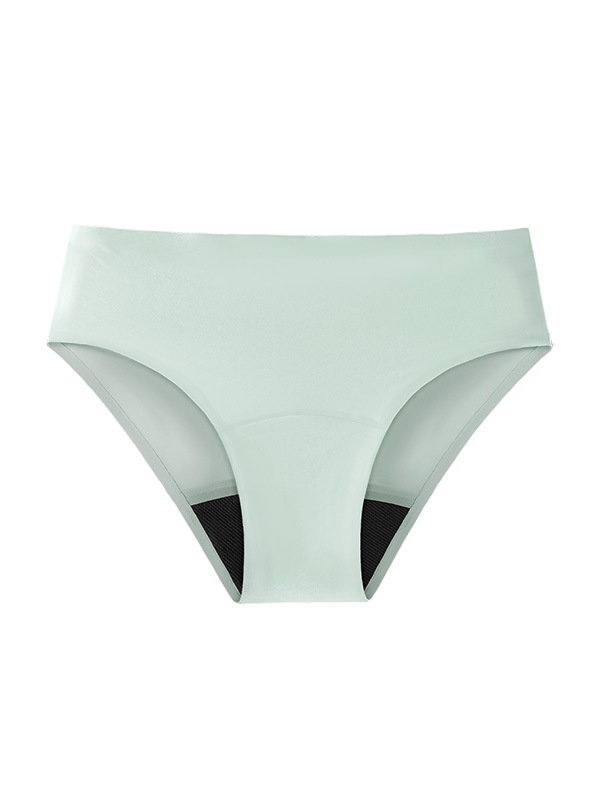
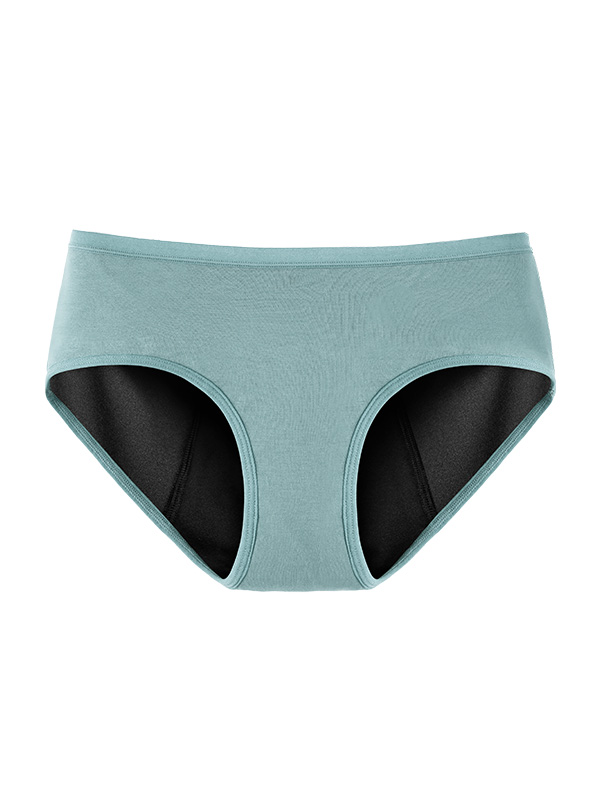
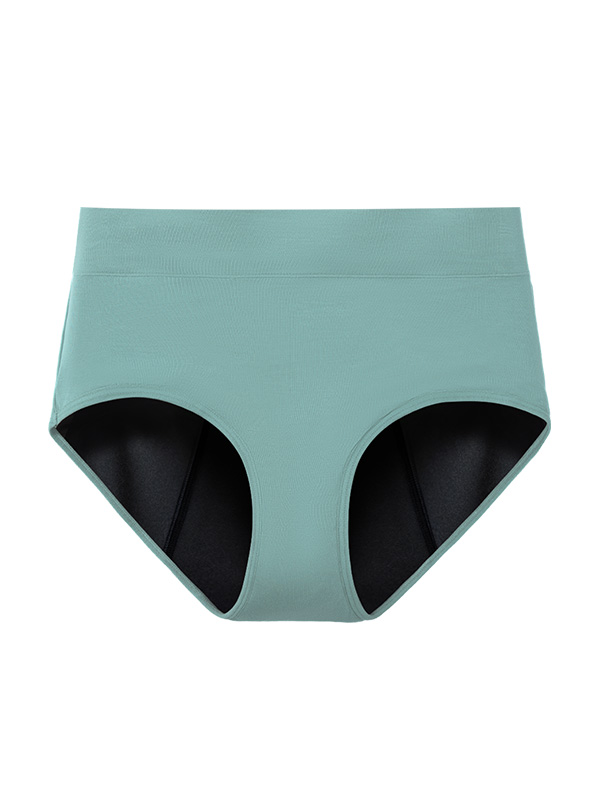
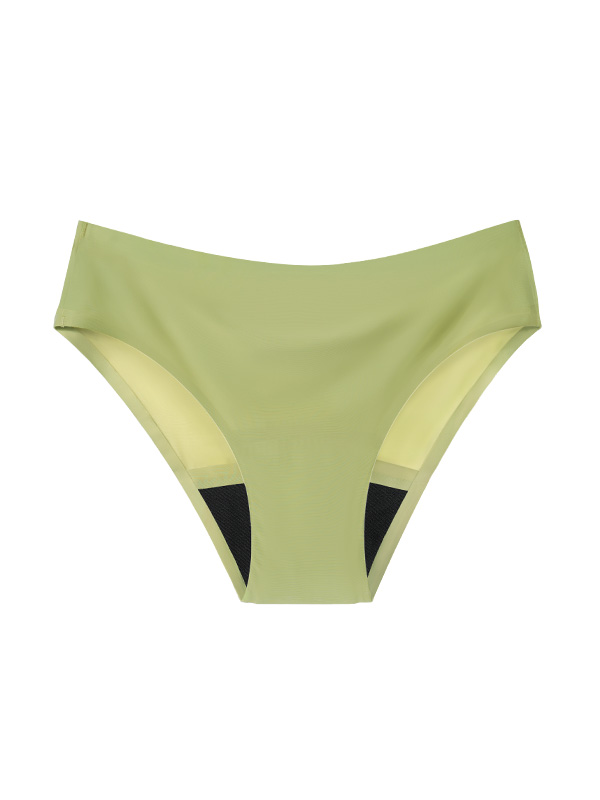
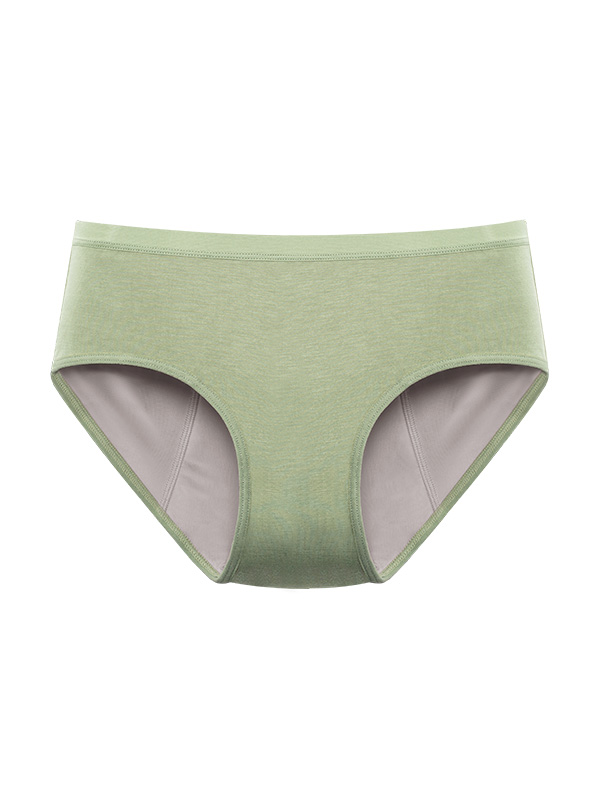
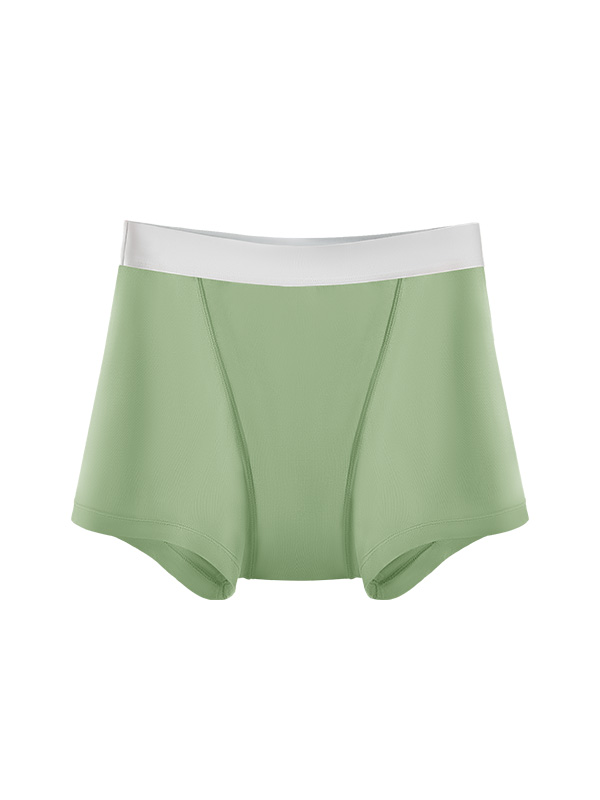
A seamless period underwear style may fit brands selling a smooth no-show look for daily wear. A high-waist or full-coverage style may work better for overnight use, postpartum protection, or customers who prefer extra security. Retail buyers may need simple shelf-ready packaging, while online brands may prefer branded pouches, insert cards, or bundle packs.
MOQ and Sample Process for Private Label Period Underwear
MOQ depends on whether the buyer selects an existing style or requests deeper OEM development. Stock styles usually allow faster sampling and easier market testing. For stock styles, private labeling can be achieved through rapid relabeling or tag replacement to ensure quick time-to-market. On the other hand, custom colors, logo waistbands, special fabrics, printed packaging, or absorbent material changes may require higher MOQ.
For a first launch, a focused range is often safer than too many SKUs. One seamless style, one higher-protection style, two or three core colors, and a practical size range can be enough to test the market.
Sample Review Checklist
Samples should be checked as real selling products, not showroom pieces. Buyers should review fabric softness, waistband comfort, leg opening fit, gusset width, back coverage, stitching, label comfort, absorbent layer placement, leakage protection, washing performance, drying speed, packaging quality, and size accuracy.
Photos can show shape and color. They cannot prove absorbency, wash durability, or fit during movement. Before bulk production, buyers should confirm whether a pre-production sample can be approved, especially when fabric, logo, packaging, or absorbent structure has been customized.
Lead Time and Bulk Production Planning for OEM Period Underwear
Lead time should be discussed early, especially for retail launches, online campaigns, seasonal promotions, or crowdfunding projects. Buyers should separate sample lead time from bulk production lead time.
Sample timing depends on style availability and customization details. Bulk timing depends on material preparation, order quantity, size breakdown, packaging artwork approval, inspection requirements, and shipping method. A practical schedule should cover sampling, feedback, pre-production approval, production, packaging, final inspection, and export arrangement.
Tiichoo can support express, air, sea, rail, and trucking options. Urgent first orders may need faster shipping, while repeat wholesale orders can be planned with more cost-efficient transport.
Private Label and Custom Packaging Options for Period Underwear Buyers
Private label period underwear is more than adding a logo. The buyer experience includes the underwear, care label, size information, washing guide, packaging, barcode, and product claims.
Common private label options include heat-transfer labels, woven labels, logo waistbands, relabeling, custom colors, size matching, retail packaging, multi-pack bags, SKU stickers, barcode labels, care cards, and carton marks.
Packaging should match the sales channel. E-commerce brands may need compact pouches, branded inserts, bundle packs, and shipping-friendly packaging. Pharmacies and supermarkets may need shelf-ready boxes, hanging packs, barcode placement, clear absorbency icons, and simple care instructions. Distributors may need neutral packaging, multi-language labels, or different packaging versions for different clients.
Claims should stay close to actual sample performance. Instead of using broad wording such as “maximum protection” for every style, buyers should define whether the product is for light flow, regular flow, heavy flow, overnight use, postpartum care, or light bladder leak protection.
Quality Inspection Checklist Before Bulk Orders
Period underwear should be inspected as both intimate apparel and an absorbent care product.
Fit and Construction Checks
Buyers should check fabric softness, color consistency, size tolerance, stretch recovery, waistband tension, leg opening fit, gusset placement, back coverage, stitching strength, bonding stability, label comfort, packaging accuracy, barcode readability, and carton marks.
Absorbency and Wash Testing Checks
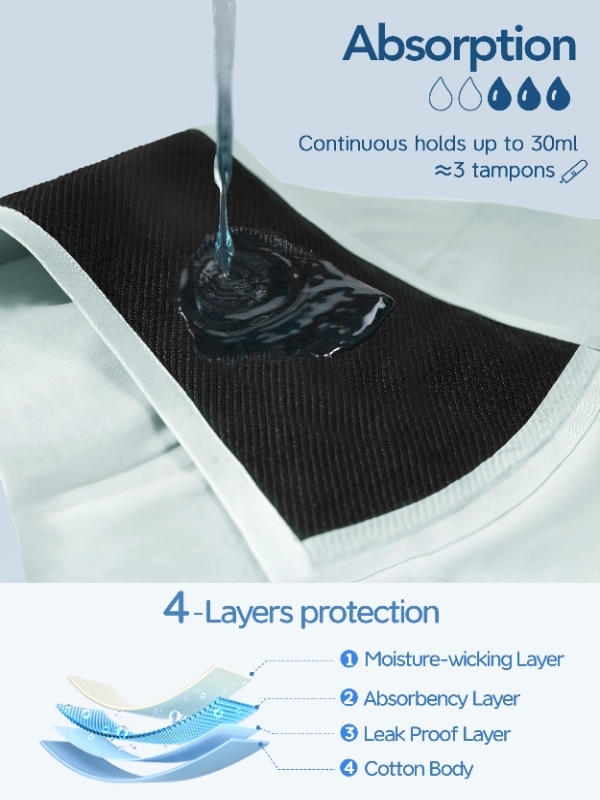
Absorbency should be confirmed by selected style, sample batch, test method, and final approved product. Selected Tiichoo women’s period and incontinence underwear styles are described with absorbency levels of up to 50ml, while some seamless period underwear styles are described up to 30ml. Buyers should confirm the exact value by product before using any absorbency claim in packaging or online listings.
Wash testing is also necessary. After several wash cycles, check whether the waistband still recovers, the fabric pills, the absorbent area stays flat, and the product dries within an acceptable time. A product that performs well only when new may still create complaints after customer use.
Certification, Testing Documents, and ESG Considerations
Because period underwear is a skin-contact product, buyers should ask for available testing and document support before confirming bulk orders.
Depending on the market and channel, useful documents may include fabric safety information, color fastness testing, washing test references, absorbency test information, OEKO-TEX related support, care label details, commercial invoice, packing list, certificate of origin, and other documents required by importers or retailers.
Tiichoo highlights raw material traceability, end-to-end QA, final inspection, and OEKO-TEX STANDARD 100 certification support. Available certificates and test reports should be confirmed according to the selected material, style, and production batch.
From an ESG perspective, reusable period underwear can support lower-waste feminine care only when it is durable, washable, skin-safe, and supported by responsible packaging. Buyers should review product lifespan, washing guidance, packaging reduction, material safety, and documented claims instead of using exaggerated green wording.
Buyer Checklist Before Confirming Bulk Orders
Before placing a bulk order, confirm the final sample, pre-production sample, size tolerance, absorbency level, washing performance, packaging artwork, barcode information, SKU labels, carton marks, available certificates, export documents, inspection process, lead time, and shipping method.
Work With Tiichoo OEM Team
Tiichoo supports private label buyers with product selection, samples, MOQ discussion, labeling, custom packaging, absorbent material customization, bulk production, inspection, and logistics planning.
To receive a more accurate quotation, share your target market, sales channel, preferred style, absorbency level, estimated quantity, size range, logo request, packaging idea, destination country, and launch date.
Request Samples
Test fabric, fit, absorbency, washing performance, label comfort, and packaging before bulk orders.
Ask for MOQ
Confirm MOQ by style, color, size range, logo method, packaging type, and customization level.
Get Private Label Options
Discuss logo labels, waistband branding, custom colors, size matching, care labels, and relabeling support.
Discuss Custom Packaging
Choose packaging for e-commerce, pharmacy, supermarket, distributor, or wholesale channels.
Talk to Tiichoo OEM Team
Build a practical private label period underwear project from sample approval to repeat wholesale supply.
FAQs
Q1: What is the MOQ for private label period underwear?
A:MOQ depends on style, color, size range, logo method, packaging type, and customization level. Stock styles may be easier for first testing, while custom fabrics, colors, waistbands, or printed packaging may require higher MOQ.
Q2: Can Tiichoo support custom packaging?
A: Yes. Tiichoo can support retail packaging, pouches, multi-pack bags, barcode labels, SKU stickers, care cards, and packaging combinations based on the buyer’s sales channel.
Q3: How can buyers test absorbency before bulk orders?
A: Buyers should request samples and test absorbency, leakage protection, fit, washing durability, drying speed, and comfort. Any absorbency claim should match the confirmed sample and testing method.
Q4: What certificates or test reports can be provided?
A: Buyers can ask for available fabric safety documents, OEKO-TEX related support, washing test information, absorbency references, care label details, and export documents. Exact documents should be confirmed by product and order.
Q5: How long does sample and bulk production take?
A: Timing depends on selected style, customization level, packaging approval, order quantity, inspection process, and shipping method. Buyers should confirm sample lead time and bulk lead time separately before planning a launch.