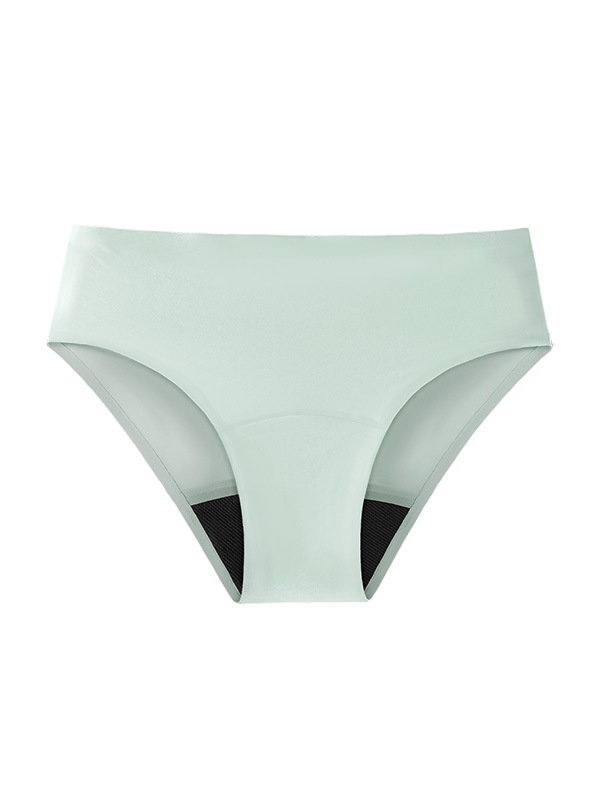
Digital Product Passport for Textiles 2026 Period Underwear Manufacturer Guide
-
 author
- 3rd September 2026

For period underwear buyers, product data is becoming part of the sourcing decision rather than paperwork to fix after an order ships.
The EU Digital Product Passport Registry became operational on July 20, 2026. Textile apparel is a priority product group under the Ecodesign for Sustainable Products Regulation, while the textile-specific rules are still being developed. The current indicative timeline points to Q4 2027 for adoption of the textile delegated act, followed by an implementation period rather than immediate same-day enforcement.
That gives brands, retailers, distributors and importers time to prepare. For anyone comparing a period underwear manufacturer, the practical question is simple: can the supplier keep the right product information tied to the right SKU from sampling through bulk production and repeat orders?
What Changed for Textile Buyers in 2026?
The DPP Registry makes product-data control more relevant to sourcing teams. It connects product identifiers and registration information with the wider Digital Product Passport system, while detailed product data remains decentralized.
A QR code may provide access to digital information, but it cannot correct a wrong fibre composition, an outdated label file or a specification copied from another SKU. The quality of the source data comes first.
What the 2026 DPP Registry Changes for Textile Buyers
Final textile DPP data fields are still being defined. Depending on the final delegated act, textile DPP data may include areas such as product identification, fibre composition, care information, origin, relevant economic operators and other traceability-related data.
That makes broad “DPP-ready” claims less useful than a supplier’s actual data process.
For a buyer, better signs of readiness are much more practical: identifiable SKUs, controlled specifications, accurate labels and a clear record of relevant product changes.
Start With the Exact SKU
“Period underwear” may be the category on a range plan. Production works at style level.
One garment can differ from another in fabric, absorbent construction, color, size range, labeling or packaging. Once several variations sit under the same collection, generic product files create unnecessary risk.
On a reorder, the buyer needs to know exactly which specification controls production. That same discipline creates a cleaner base for future DPP data.
Why Period Underwear Needs SKU-Level Product Data
Period underwear is reusable intimate apparel with a functional absorbent construction. The sourcing file does not need to become a technical encyclopedia, but the information connected to each style needs to stay accurate.
That matters because two products that look similar in a catalog may have different materials, constructions or product references.
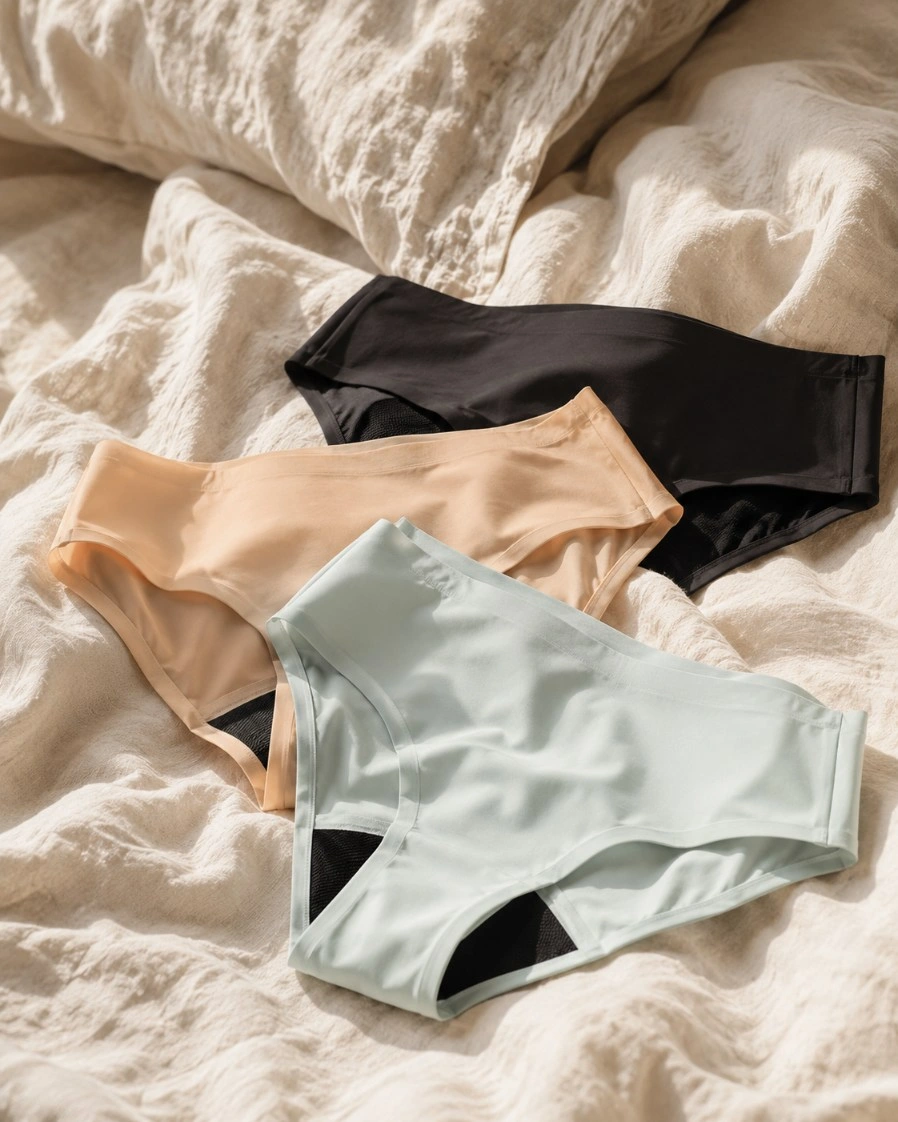
Similar Period Underwear Styles May Require Different SKU Records
Tiichoo Seamless Period Underwear for Women 61136 uses an 80% polyamide and 20% elastane body fabric and is specified at up to 30 ml absorbency.
Period Underwear for Women Viscose 31001 uses 95% viscose and 5% spandex and is specified at up to 50 ml absorbency.
These figures are product-specific references, not fixed wear-time guarantees. Actual performance can vary with fit, flow pattern, movement, absorbent-zone coverage, garment condition, wash history and wearing conditions.
For a period underwear wholesale range, this is why one product record cannot simply be copied across every style. Clean SKU control also gives buyers a stronger starting point for textile traceability.
Browse Tiichoo’s Women’s Underwear Range →
Reorder Problems Often Start With a Small File Mismatch
Consider a repeat order placed several months after launch.
A relevant component changes and the production specification is updated, but the packaging artwork still reflects the earlier version. If nobody catches the mismatch before labels or cartons are produced, the buyer may be dealing with reprinting, relabeling or a delayed shipment.
A small file problem can turn into real production cost very quickly.
What Buyers Need From a Period Underwear Manufacturer
A useful sourcing file does not need dozens of documents. It needs a clear connection between the product being purchased and the records used to manufacture and sell it.
That becomes a meaningful comparison point when evaluating a period underwear manufacturer or period underwear supplier.
Keep the Sample-to-Bulk Chain Clear
For most private-label programs, the basic record chain is straightforward:
- selected style and SKU;
- approved product specification;
- approved sample;
- final label and packaging files;
- bulk production reference.
If one item changes, related files may need review as well.
The reorder is often where this process gets tested. Six months later, the supplier still needs to identify the approved version without rebuilding the order from old emails and attachments.
Verify the Data Behind “DPP Ready” Claims
The Digital Product Passport is more than a QR code. The broader system involves product identifiers, registration, required data, access rules and responsibilities for economic operators.
A sourcing team gets more value from operational questions:
Which specification is tied to the approved sample? How are material changes communicated? When is label copy locked? How does a repeat order refer back to the approved version?
Those answers tell a buyer far more about sourcing discipline than a broad compliance slogan.
Build DPP Readiness Into the RFQ
The RFQ is a good place to catch product-data issues before they reach production. Once artwork is approved and bulk manufacturing starts, even a small correction can become expensive.
For a private label period underwear project, the brief can stay simple as long as it clearly defines the product being quoted.
Begin With a Defined SKU Before Adding Customization
Starting from an existing style can reduce unnecessary variables in a first order. The buyer can review fit, construction, branding space and packaging direction before moving into deeper customization.
Tiichoo’s Light Customization (OEM) Guidelines cover branding and packaging support within an eight-step workflow from initial request through delivery.
That staged process creates natural checkpoints for confirming product information before the order reaches bulk production.
Put the Right Questions in the RFQ
A useful period underwear sourcing inquiry normally includes the reference style, estimated quantity, size and color plan, destination market where relevant, branding requirements, packaging format and required documentation.
Then focus on the control points:
- Which file becomes the approved production specification?
- How is the sample identified?
- Which changes require buyer approval?
- When are labels and packaging finalized?
- How are repeat orders linked to the approved version?
For buyers also reviewing chemical claims and supporting documents, Tiichoo’s PFAS-Free Period Underwear Sourcing Guide 2026 goes further into SKU traceability, test scope and claim control.
Check Tiichoo’s Wholesale & OEM Buyer FAQ →
Once product data is clear at supplier level, the next question is who carries that information into the destination market—and who is responsible for the DPP.
Who Is Responsible for DPP Data in an International Supply Chain?
For products covered by future textile DPP rules, the main obligation will sit with the economic operator placing the product on the EU market or putting it into service there. Depending on the commercial setup, that operator may be a manufacturer, producer or importer.
For overseas buyers, the distinction between supplier data and market responsibility is worth defining early.
Separate Supplier Data From Market-Level Responsibility
An overseas supplier may provide specifications, fibre information, labels and production records, while the brand or importer may still carry market-level obligations outside the factory’s role.
Cleaner supplier records also support supply chain transparency, even where EU DPP rules do not apply.
That matters for international brands selling through several markets, because each destination may have its own labeling, claim and product-information requirements.
How Future DPP Rules Apply to Imported Textiles
Imported products are not automatically outside the system.
When a product-specific DPP requirement applies, the relevant DPP will need to be available for products placed on the EU market, including imported goods covered by the rules.
For other markets, local requirements remain separate. An EU Digital Product Passport requirement is not a universal textile rule, and a supplier’s documentation still needs to match the destination where the product will actually be sold.
Conclusion
The Digital Product Passport for textiles is making product information a more visible sourcing issue. In 2026, the useful work is not chasing a premature “DPP compliant” label. It is keeping the SKU, approved sample, material information, labels, packaging and production version connected.
For brands comparing a period underwear manufacturer, that discipline matters on the first order and even more on the reorder. Better product records can reduce avoidable corrections, make repeat purchasing easier and give sourcing teams a cleaner base for future traceability requirements.
Tiichoo works with B2B buyers on ready styles and private label period underwear, including sampling, branding, packaging and bulk-order preparation. If you already have a reference style, target quantity and customization brief, those details are enough to start a practical sourcing discussion.
Request Period Underwear Samples & a B2B Quote →
FAQ
Q1: Is a Digital Product Passport mandatory for textile apparel in 2026?
A: Not yet under the future textile-specific ESPR rules. The DPP Registry is operational, while the current indicative timetable points to Q4 2027 for adoption of the textile delegated act.
Q2: What product data does a period underwear manufacturer need for a private-label order?
A: Start with the exact SKU, approved specification, sample reference, material information, label copy and packaging version. The final document set depends on the product, sales channel and destination market.
Q3: Does a QR code make period underwear DPP compliant?
A: No. A data carrier provides access to information, but DPP requirements also involve identifiers, registration, required product data and economic-operator responsibilities.
Q4: Who is responsible for a textile DPP when production takes place outside the EU?
A: Responsibility primarily follows the economic operator placing the product on the EU market, not simply the country where the garment was made. Depending on the commercial setup, that operator may be a manufacturer, producer or importer.
Q5: What matters most when choosing a period underwear manufacturer?
A: Price and MOQ are only part of the decision. Buyers also need consistent samples, SKU-specific specifications, clear change control, workable labeling and packaging support, and reliable repeat-order records.