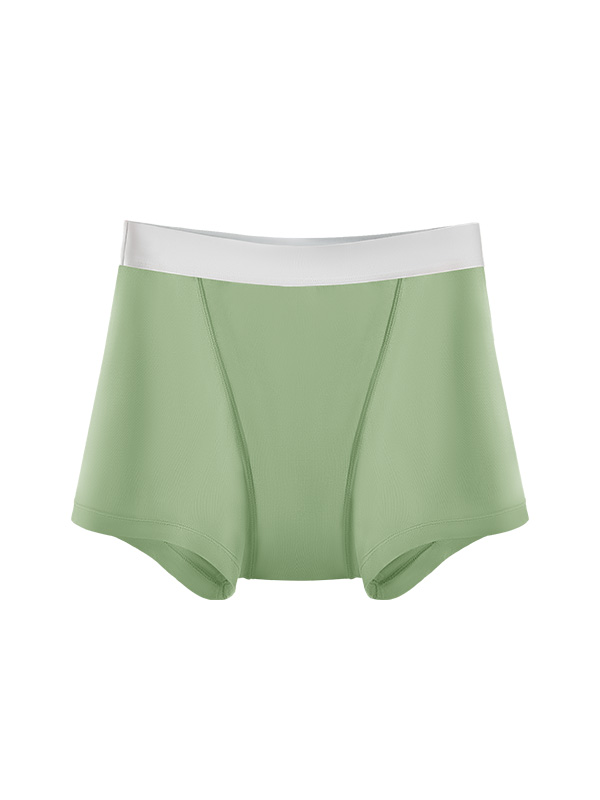
Women’s Private Label Period Underwear: OEM vs ODM for Growing Brands
-
 author
- 17th July 2026
Women’s private label period underwear is not just another underwear sourcing project. For B2B buyers, the early decision is strategic: should the product line start with OEM period underwear or move into ODM period underwear development?
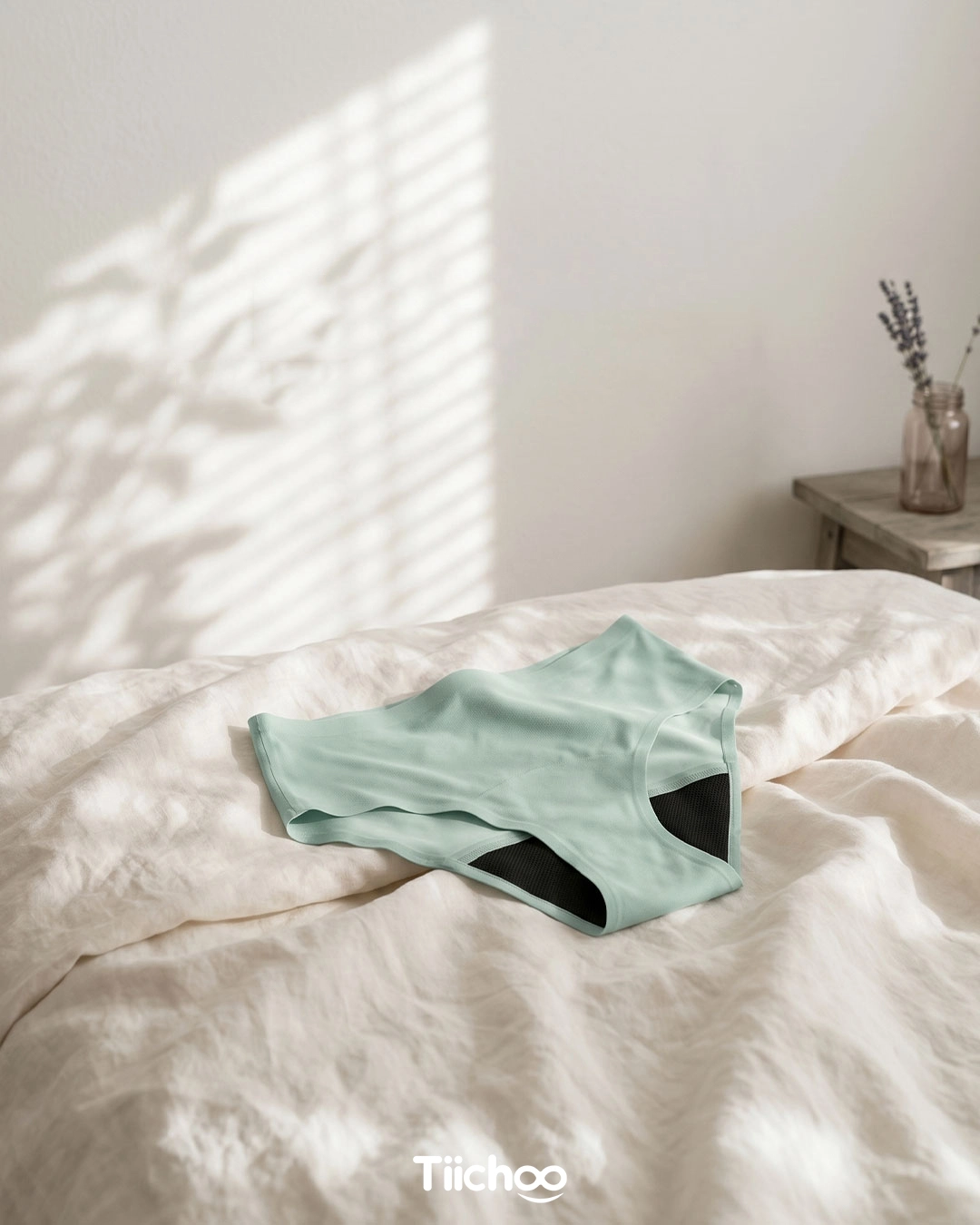
OEM is usually the faster path. It suits brands that want to launch with an existing product structure and add private label details such as branding, labels, colors, or packaging. ODM is better when the buyer needs a more customized product, such as a specific fabric feel, fit adjustment, gusset structure, absorbency positioning, or exclusive product identity.
For growing brands, this decision affects launch speed, sampling direction, MOQ planning, product differentiation, cost control, and reorder stability. Choosing the right route early also helps a supplier prepare a more accurate quote and a more realistic sample plan.
Tiichoo supports B2B buyers with women’s period underwear options, OEM service, private label customization, packaging discussion, sample requests, and bulk sourcing coordination.
Explore OEM Period Underwear Service →
Why OEM vs ODM Matters for Private Label Period Underwear Buyers
Different sourcing routes fit different business stages
A new e-commerce brand, a regional distributor, and a retailer planning an exclusive line may all source women’s period underwear, but their buying logic is not the same.
A start-up brand may need a reliable existing style, basic branding, and a faster launch. A retailer may need a more exclusive product with clearer shelf positioning. A growing DTC brand may already have customer feedback and want to improve fabric softness, fit, or coverage.
That is why OEM and ODM should not be treated as interchangeable terms. The route decides how much product work is needed before the first order.
The wrong route can slow the project
If a buyer asks for “custom period underwear” without defining whether the project is OEM or ODM, the supplier may not know whether to quote from an existing style or prepare a development proposal.
That often leads to unclear price expectations, extra sample discussions, delayed packaging decisions, MOQ confusion, or product features that do not match the sales channel.
A clear route makes the first conversation more productive.
OEM Period Underwear: Best for Faster Private Label Launches
What OEM usually means
OEM period underwear starts with an existing product base. The buyer then adds private label details to make the product suitable for its own brand and channel.
Common OEM details may include waistband logo, inner care label, size label, color selection, hangtag, retail pouch, box, or multi-pack format.
This route is useful when the buyer wants to enter the market without developing a product from zero. The core structure is already available, so the buyer can focus on branding, sample review, packaging direction, and launch timing.
Tiichoo supports OEM details such as waistband branding, inner care labels, retail-ready packaging, custom size options, and sample requests.
View Women’s Period Underwear for Wholesale →
When OEM is a better buying decision
OEM is usually suitable for:
- First private label period underwear orders
- E-commerce sellers testing demand
- Distributors building a starter range
- Retailers needing a faster seasonal launch
- Brands that want lower development pressure
OEM does not mean the product has to feel generic. A focused style, clean packaging, clear size range, and realistic absorbency wording can still create a strong private label offer.
What buyers should watch in OEM projects
The main OEM risk is limited differentiation. If the chosen style is common in the market, the brand needs stronger positioning through packaging, product copy, bundle strategy, or channel-specific presentation.
OEM works best as a market-entry route, not just a shortcut to a lower unit cost.
ODM Period Underwear: Best for Custom Product Development
What ODM can change
ODM period underwear goes deeper than logo and packaging. It may involve changes to fabric, waistband structure, gusset coverage, absorbent layer placement, seamless construction, size grading, or product positioning by use case.
ODM is not necessary for every brand. It makes more sense when the buyer has a clear product gap to solve.
For example, customer reviews may show that users want a softer feel, thinner edges under leggings, better rear coverage, or a more premium-looking product line. Those are ODM-level signals.
When ODM is worth the longer path
ODM is usually better when:
- The brand already has sales data
- Customers have given specific product feedback
- Retail buyers want a more exclusive line
- The target market needs different size grading
- Existing styles cannot support the desired positioning
The brief should be specific. Instead of saying “make it better,” buyers should explain the target customer, fabric direction, fit goal, absorbency positioning, packaging tone, and launch timeline.
What buyers should watch in ODM projects
ODM often means more sample rounds, more product discussion, higher MOQ pressure, and less predictable cost before specifications are confirmed. For that reason, ODM should be based on real market feedback, not guesswork.
OEM vs ODM Decision Matrix for B2B Buyers
| Buyer Situation | Better Route | Purchasing Logic |
| First market test | OEM | Faster launch with less development work |
| Small first order | OEM | Easier to control style and SKU planning |
| Existing customer feedback | ODM | Feedback can guide product upgrades |
| Retail-exclusive collection | ODM | Better for product differentiation |
| Fast seasonal launch | OEM | Shorter preparation path |
| Need unique fabric or gusset | ODM | Requires deeper product work |
| Distributor starter range | OEM | Practical for a controlled assortment |
| Long-term brand line | OEM to ODM | Test first, then develop custom upgrades |
For many brands, the best path is not OEM or ODM forever. A common route is to start with OEM, collect sales data, then move into ODM once the brand knows what customers actually want.
OEM RFQ vs ODM Development Brief
OEM RFQ: keep it practical
An OEM RFQ should focus on the selected style, target market, sales channel, size range, logo method, label needs, packaging format, estimated quantity, and delivery timeline.
Since the base product already exists, the goal is to help the supplier quote quickly and prepare suitable samples.
ODM brief: explain the product gap
An ODM brief should go further. It should include the target user, product problem to solve, reference sample, fabric direction, fit preference, gusset coverage needs, absorbency positioning, size grading, packaging wording, and expected development timeline.
The stronger the ODM brief, the fewer unnecessary sample rounds. It also helps both sides judge whether the idea fits the buyer’s MOQ, timing, and price target.
Absorbency and Product Claims: What Buyers Should Confirm
Absorbency should be written with limits
Absorbency is an important selling point, but it should not be presented as the same result for every wearer, every flow level, or every use situation.
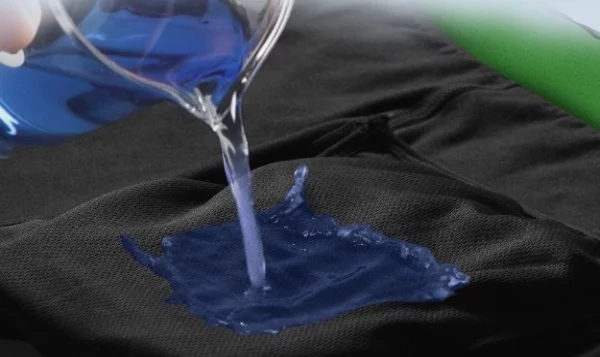
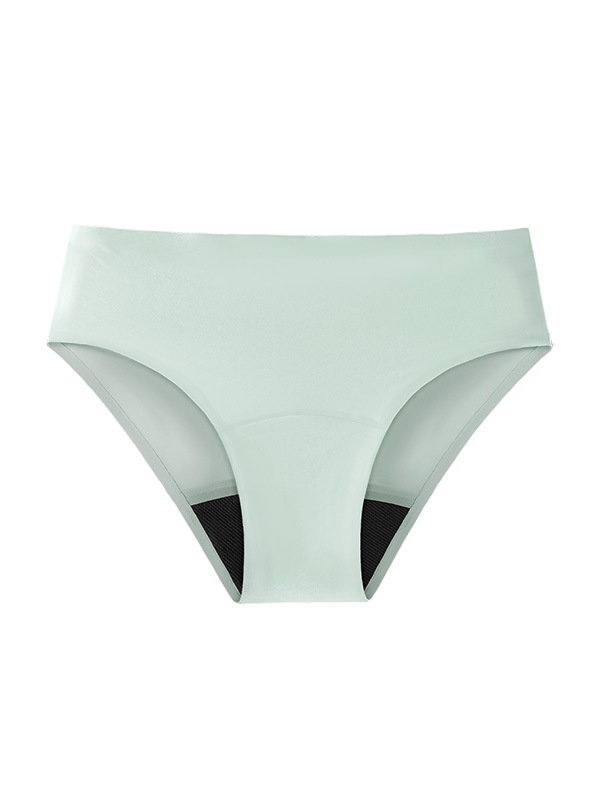
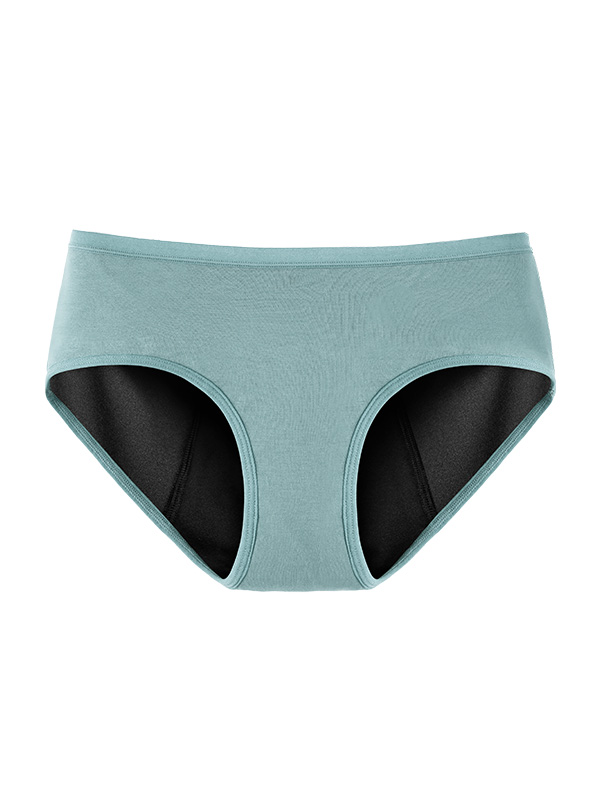
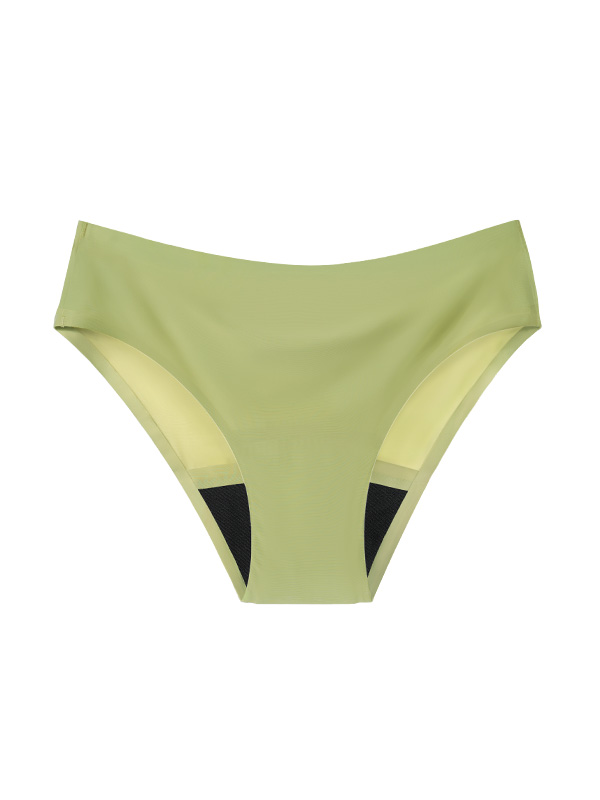
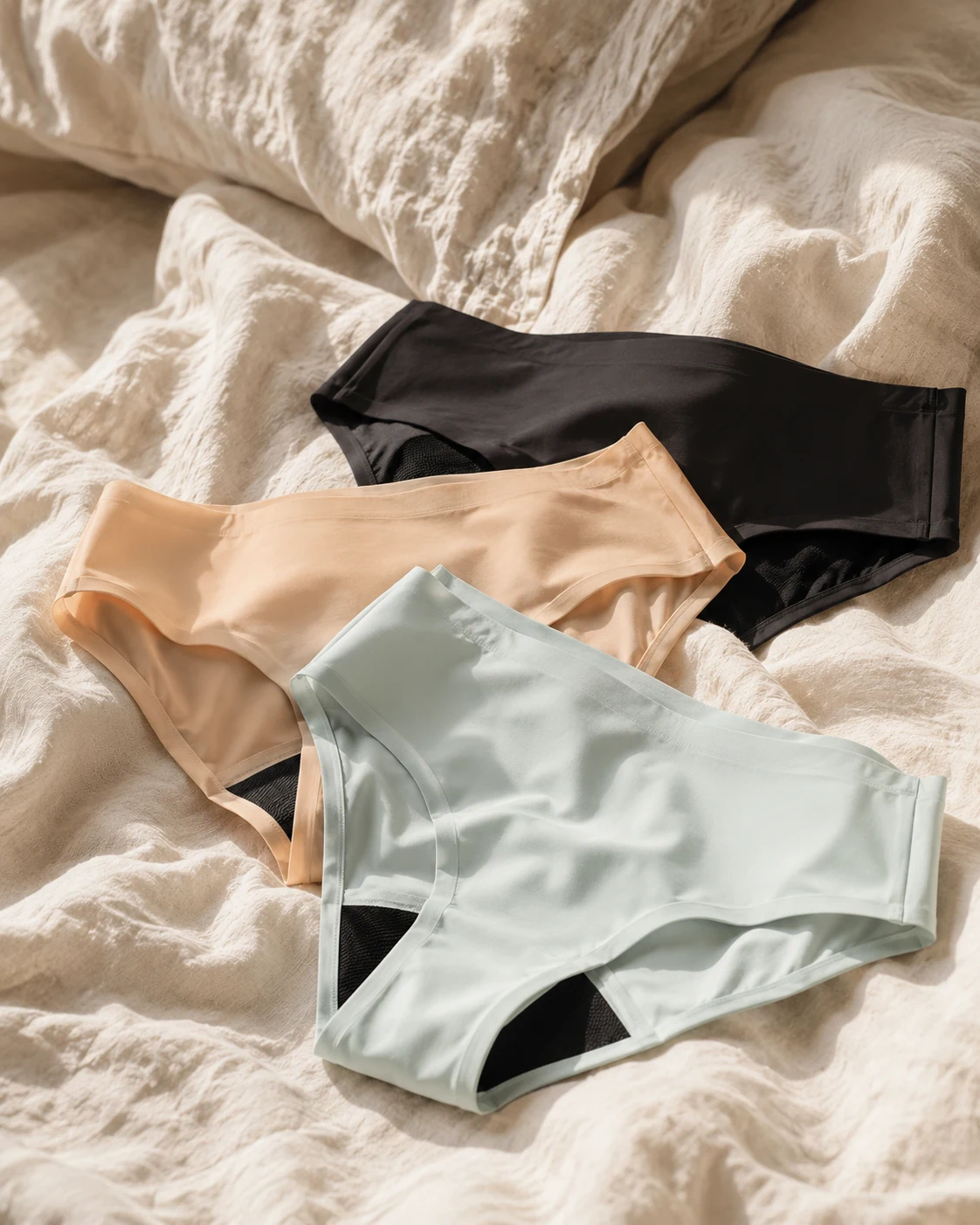
Tiichoo’s seamless period underwear uses 80% polyamide and 20% elastane and is positioned as a regular absorbency option. It is tested to absorb up to 30 ml under defined product-use conditions and is suitable for light to moderate flow or backup use, depending on personal needs.
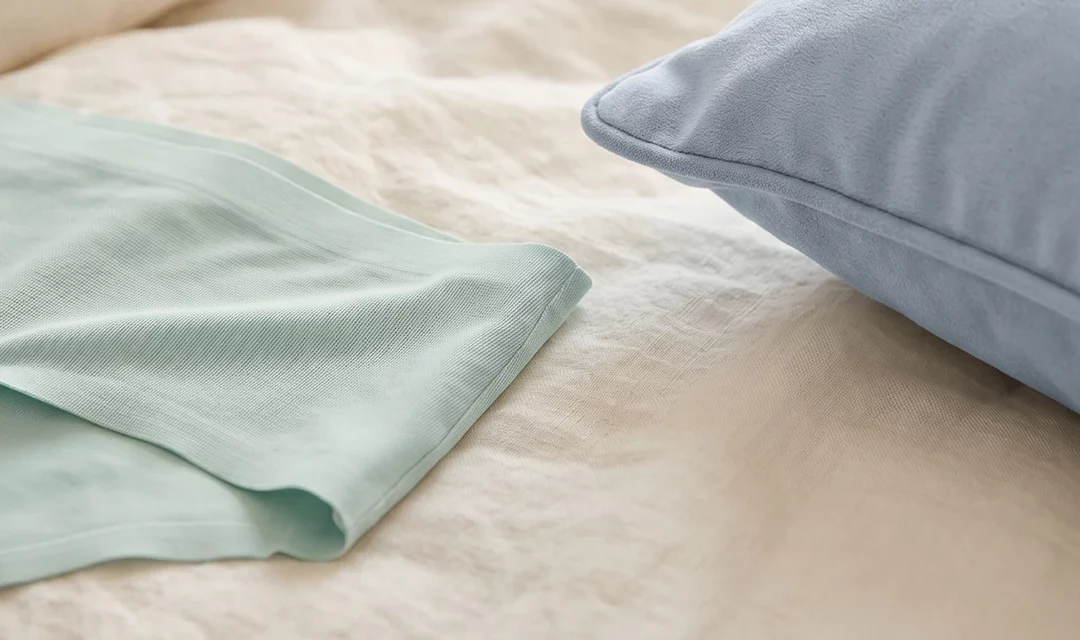
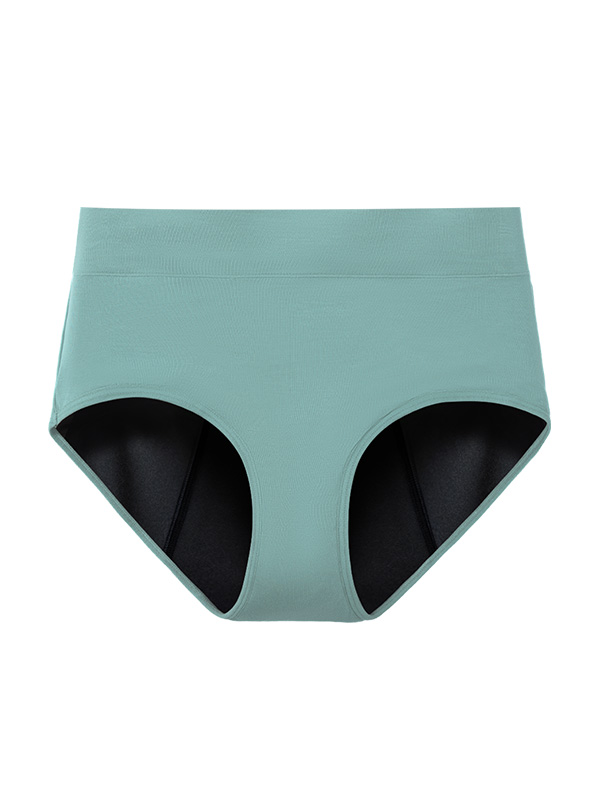
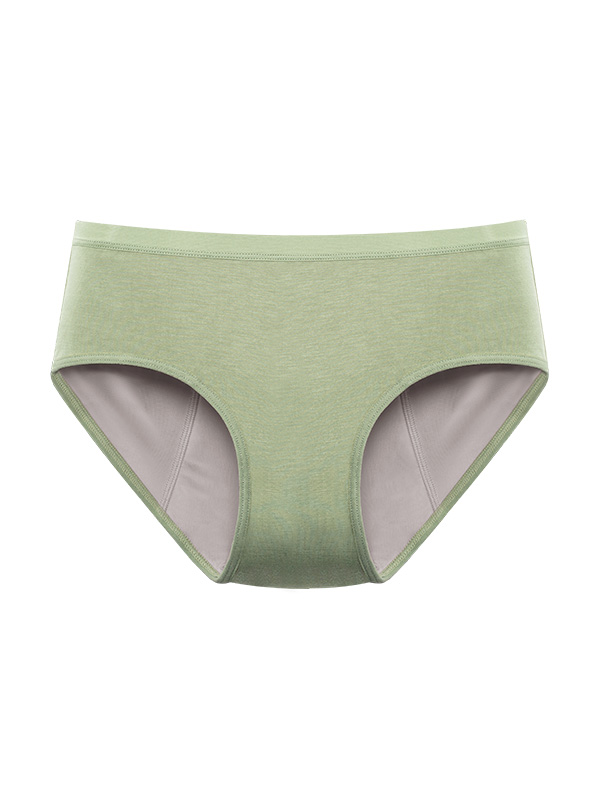
Tiichoo’s viscose period underwear uses 95% viscose and 5% spandex, offering a softer fabric direction for buyers planning a different product feel or channel position.
For B2B buyers, these product details can help compare styles and plan a more balanced product range. Real performance may vary by fit, body shape, flow pattern, wearing time, washing history, and whether the underwear is used alone or as backup.
Keep product language non-medical
Period underwear should be presented as reusable intimate apparel, not as a treatment product or medical solution. Suitable wording includes reusable period care, leak-resistant underwear, backup protection, everyday comfort, and washable underwear.
This keeps product communication clear for retail, e-commerce, and wholesale channels.
How Tiichoo Supports OEM and ODM Period Underwear Projects
Tiichoo works with B2B buyers on women’s period underwear sourcing, OEM customization, private label packaging, sample planning, and bulk order preparation. Its women’s period underwear options include seamless and viscose styles, giving buyers different choices for fabric feel, absorbency positioning, and channel planning.
For buyers looking for an OEM period underwear supplier, Tiichoo can support branding details, packaging discussion, sample requests, and sourcing communication based on the selected route.
For ODM discussions, buyers should provide a more complete brief covering fabric direction, fit goal, absorbency positioning, size range, packaging format, estimated quantity, and launch timeline.
Request an OEM/ODM Quote & Sample Plan →
Conclusion
Women’s private label period underwear can be a strong B2B product line when the sourcing route matches the brand’s stage. OEM period underwear is better for fast launches, market testing, and controlled first orders. ODM period underwear is better for custom product development, exclusive features, and long-term differentiation.
Before requesting samples, buyers should decide whether the project needs OEM private label customization or ODM product development. To request a tailored proposal, procurement teams can send Tiichoo their target market, sourcing route, style preference, absorbency positioning, size range, packaging format, estimated quantity, and launch timeline.
FAQ
Q1: How do OEM and ODM period underwear projects differ for private label buyers?
A: OEM period underwear uses an existing product base and adds private label details such as logo, label, color, and packaging. ODM period underwear involves deeper custom development, including fabric, fit, gusset structure, absorbency layout, or design changes.
Q2: Which sourcing model is better for a first private label period underwear order?
A: OEM is usually better for a first order because it supports faster sampling, simpler MOQ planning, and lower development risk. ODM is more suitable when the brand already has customer feedback, sales data, or clear custom product requirements.
Q3: Does OEM or ODM usually require a higher MOQ for period underwear?
A: ODM often needs more MOQ planning because custom materials or structure changes may affect production setup. OEM is usually easier for first launches using existing styles with light branding.
Q4: What is the difference between an OEM RFQ and an ODM development brief?
A: An OEM RFQ usually focuses on selected style, logo method, labels, packaging, size breakdown, quantity, and delivery timeline. An ODM brief should also include target user, fit goals, fabric direction, reference samples, absorbency positioning, size grading, and development timeline.
Q5: How should absorbency claims be handled for private label period underwear packaging?
A: Absorbency wording should be based on the agreed product specification, sample review, or defined use conditions. Buyers should avoid presenting one absorbency number as the same result for every wearer, flow pattern, wearing time, or care routine.